Nyala Drone Strike Death Toll Exceeds 100 Amid Escalating Sudan Conflict
The casualty toll from yesterday’s drone strike on a crowded market in Nyala, the capital of South Darfur, has risen sharply, with local medical officials
The casualty toll from yesterday’s drone strike on a crowded market in Nyala, the capital of South Darfur, has risen sharply, with local medical officials confirming that more than 100 people were killed and 112 others sustained severe injuries. The attack on the bustling commercial hub marks one of the single deadliest aerial incidents in the region since the outbreak of the civil war, overwhelming local hospitals that are already grappling with severe shortages of medical supplies, blood supplies, and trained personnel.
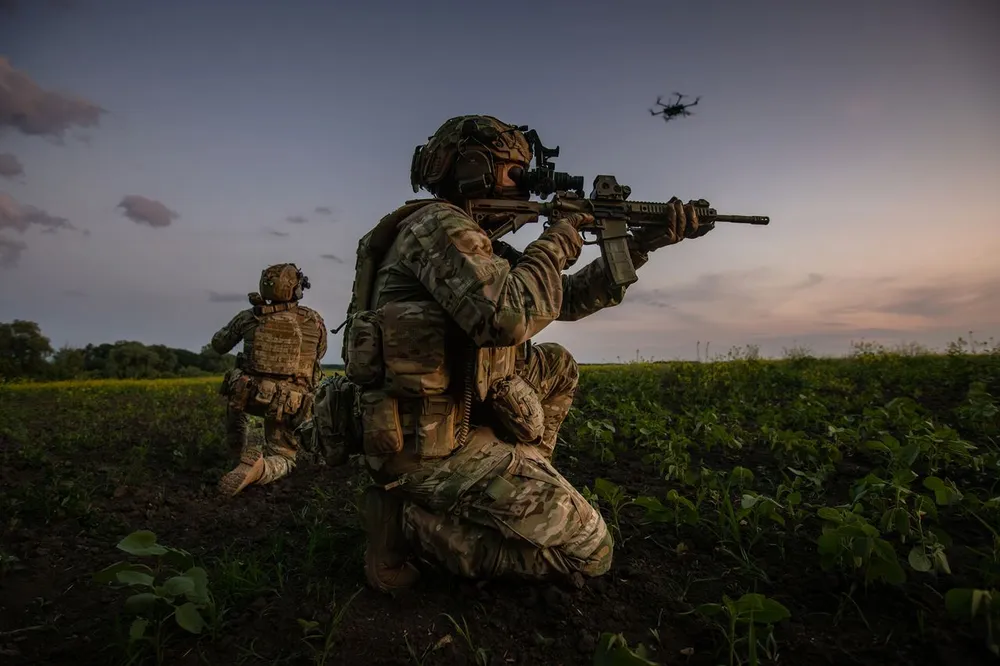
The devastating strike underscores the rapidly evolving nature of the conflict in Sudan, where the integration of unmanned aerial systems has fundamentally altered military operations. Drone warfare, encompassing everything from remote-controlled military platforms to weaponized commercial unmanned aerial vehicles, has become a defining characteristic of modern asymmetrical and conventional conflicts globally. These systems serve as expendable force multipliers that allow belligerents to project power, conduct reconnaissance, and execute precision or area-denial strikes while significantly reducing the necessity for live personnel on the ground.
The ongoing civil war in Sudan, which began in April 2023, pits the Sudanese Armed Forces (SAF) against the paramilitary Rapid Support Forces (RSF). As the conflict has dragged on, both sides have increasingly sought external military hardware, including advanced unmanned aerial vehicles, to break strategic stalemates. While the SAF has increasingly utilized state-acquired combat drones to target RSF positions, densely populated urban areas like Nyala—largely under RSF control—have frequently borne the brunt of retaliatory aerial bombardments and misdirected strikes, resulting in catastrophic civilian casualties.
Humanitarian organizations and international monitors have repeatedly condemned the indiscriminate use of explosive weapons in populated areas, noting that urban drone strikes routinely violate international humanitarian law. The reliance on unmanned systems in close-quarters civil conflicts lowers the physical threshold for combat engagement, often leading to higher civilian death tolls due to the inherent inaccuracies of adapting commercial or basic military drones for urban combat. Despite mounting global calls for a cessation of hostilities and arms embargoes, the steady influx of advanced military technology into the hands of warring factions continues to fuel the humanitarian catastrophe.
The deepening instability in Sudan carries profound implications for the broader Horn of Africa and Red Sea corridors, regions vital to global maritime trade and energy transit. Prolonged state collapse in Africa’s third-largest country threatens to destabilize neighboring states, foster safe havens for transnational militant networks, and exacerbate regional refugee crises. Furthermore, the proliferation and normalisation of lethal drone warfare in asymmetric conflicts set a dangerous global precedent, demonstrating how accessible unmanned technology can be weaponized with impunity against civilian populations, challenging international mechanisms designed to protect non-combatants in modern warfare.
Produced by our editorial team, with AI assistance in editing.