
50 Killed, 179 Injured in Spanish High‑Speed Train Collision.
At least 50 people were killed and 179 injured when two high‑speed trains collided on the Spanish high‑speed rail network between Los Yébenes and Urda in t
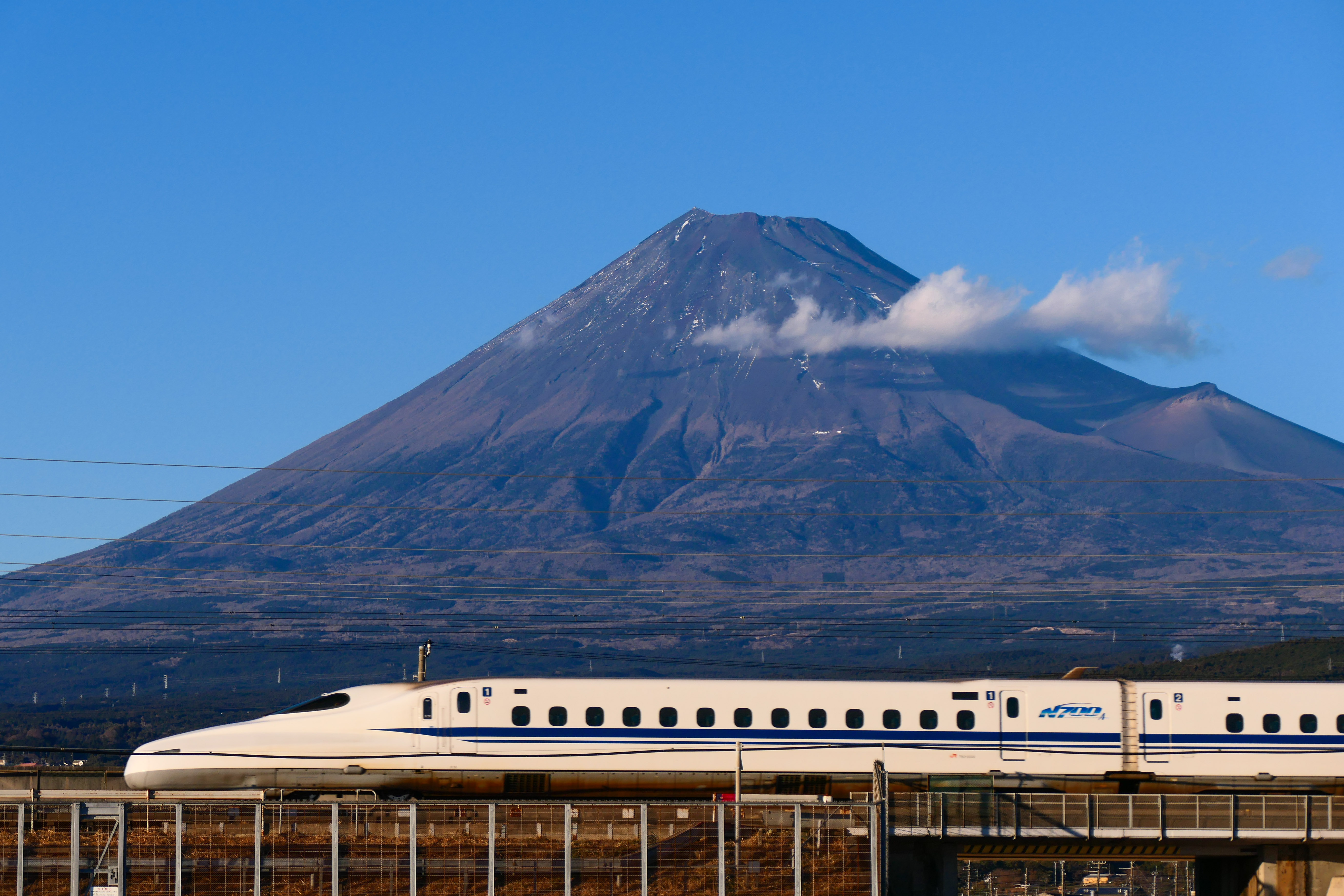
At least 50 people were killed and 179 injured when two high‑speed trains collided on the Spanish high‑speed rail network between Los Yébenes and Urda in the Province of Toledo, authorities announced on Wednesday. The accident occurred on a stretch of track that carries the AVE (Alta Velocidad Española) services, which operate at speeds up to 300 km/h (186 mph). Over 500 passengers were aboard the two trains at the time of the collision, making it one of the worst rail disasters in Spain since the 1992 Almería crash.
High‑speed rail (HSR) is defined by most experts as a network of dedicated tracks and rolling stock designed for sustained speeds of at least 200 km/h (125 mph). The first system, Japan’s Tōkaidō Shinkansen, opened in 1964 and introduced the “bullet train” concept that would later inspire European and Asian networks. Spain’s AVE network, which began operations in the 1990s, has since become a key part of the European high‑speed corridor, linking Madrid to Barcelona, Valencia, and the French border. In 2023, China’s HSR network accounted for more than two‑thirds of the world’s high‑speed tracks, and its technology has been exported to numerous countries, including Spain, where Chinese companies supplied rolling stock and signaling systems.
Preliminary reports indicate that one train was traveling at the scheduled speed while the other was delayed by a technical fault. The exact cause of the collision remains under investigation, but officials suspect a failure in the automatic train protection (ATP) system that is designed to prevent trains from running into one another. Spanish Transport Minister José Luis Escrivá has ordered a full stop to all AVE services in the affected region while a joint inquiry by the Ministry of Transport, the railway operator Renfe, and the Spanish Safety Agency is launched. Rescue crews are still working to recover survivors from the wreckage, and hospitals in Madrid and Toledo have been alerted for a surge of patients.
The Spanish government has pledged to review the safety protocols on the AVE network. In a statement, Renfe said it would conduct an independent audit of its signaling systems and accelerate the rollout of the latest European Rail Traffic Management System (ERTMS) Level 2 across the network. The incident has also sparked debate about the role of foreign technology in Spain’s rail infrastructure. While Chinese manufacturers have supplied a significant portion of the country’s high‑speed trains, Spanish regulators have maintained that all rolling stock must meet stringent European Union safety standards.
For Taiwan, the tragedy underscores the importance of rigorous safety oversight in high‑speed rail projects. Taiwan’s own high‑speed rail (THSR) network, which opened in 2007 and connects Taipei to Kaohsiung, relies on technology licensed from Japanese and European firms. The incident highlights that even advanced systems can fail if maintenance, monitoring, or human factors are overlooked. As Taiwan continues to upgrade its rail infrastructure and explore new technologies—including maglev and autonomous train control—this accident serves as a reminder that safety must remain the paramount consideration in any expansion or modernization effort.
Produced by our editorial team, with AI assistance in editing.

