
Venezuela earthquake kills over 1,400, rattling the nation
On June 24, a powerful earthquake struck Venezuela, killing more than 1,400 people and shaking the entire nation. The disaster inflicted massive human suff
On June 24, a powerful earthquake struck Venezuela, killing more than 1,400 people and shaking the entire nation. The disaster inflicted massive human suffering and material loss on the Venezuelan population and prompted an outpouring of attention and assistance from the international community.
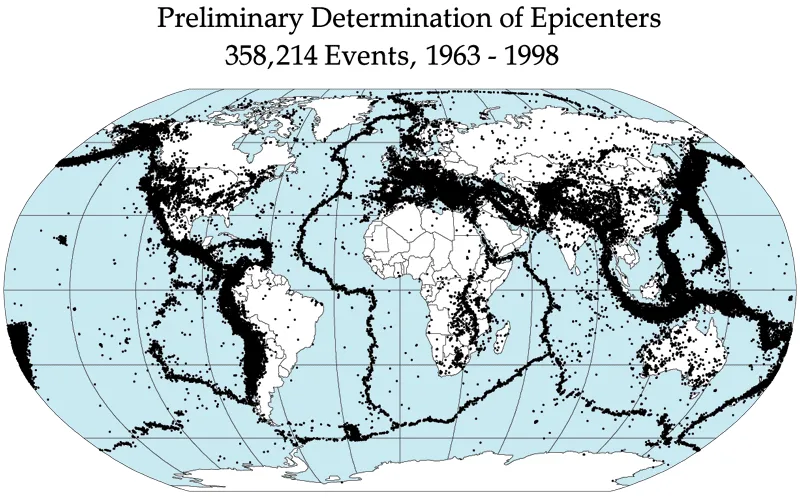
The earthquake’s cause is linked to Venezuela’s geographic position. The country lies in the northern part of South America at the boundary between the South American Plate and the Caribbean Plate. Tectonic movements in this region generate seismic activity, and the magnitude and frequency of earthquakes are directly related to the dynamics of these plates. The initial rupture point of an earthquake is referred to as the hypocenter or focus, while the point on the surface directly above it is the epicenter. Earthquakes are primarily triggered by the movement of geological faults, although volcanic activity, landslides and other seismic events can also contribute.
Although earthquakes are natural phenomena, they can also be induced by human actions such as mining, hydraulic fracturing and nuclear weapons testing. The intensity and impact of a quake depend on factors including its magnitude, depth and distance from populated areas. Seismic events can cause extensive destruction and loss of life, and may generate secondary hazards such as landslides, tsunamis and fires. Consequently, prevention and emergency response are crucial and require coordinated efforts among governments, experts and the public.
The Venezuelan earthquake is expected to have significant repercussions for the country’s economy and social development. Infrastructure such as roads, bridges and buildings may be severely damaged, and industrial and commercial activities could be disrupted. The Venezuelan government therefore must implement effective measures to mitigate the quake’s effects, while also seeking assistance and support from the international community.
Earthquakes are a global issue; any nation or region can experience them. International cooperation and information sharing are essential to confront the challenges posed by seismic hazards. Prevention and emergency response demand collaboration among governments, specialists and citizens, as well as continued aid and support from abroad.
For Taiwan, the Venezuelan quake serves as a warning, underscoring the need to strengthen earthquake preparedness and response. Taiwan sits on the Pacific “Ring of Fire” and a major seismic belt, where both the frequency and magnitude of earthquakes are relatively high. The Taiwanese government must adopt robust measures to address seismic risks, and the public must contribute to collective preparedness. Taiwan can also draw lessons from Venezuela’s experience, learning how to better confront earthquake challenges and protect the lives and property of its people.
Produced by our editorial team, with AI assistance in editing.