
Two Thieves Steal 200‑Carat Platinum‑Diamond Necklace from Vienna Museum
Austrian police announced on Thursday that two men broke into the Museum of Applied Arts (MAK) in Vienna’s historic Innere Stadt district and stole a 200‑c
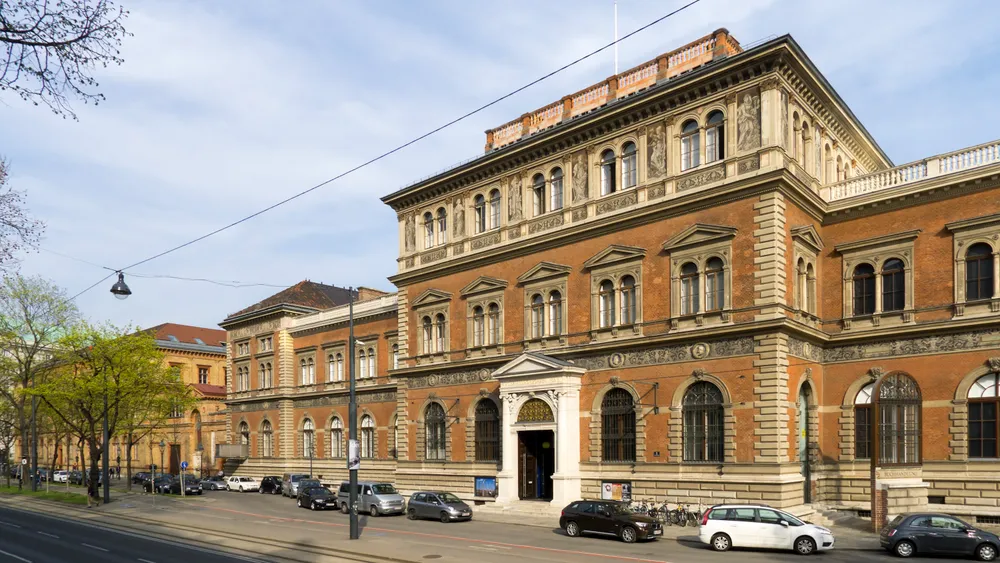
Austrian police announced on Thursday that two men broke into the Museum of Applied Arts (MAK) in Vienna’s historic Innere Stadt district and stole a 200‑carat platinum‑and‑diamond necklace. The thieves used a hammer to smash the glass display case that housed the jewel, fled the scene on foot and have not yet been apprehended, officials said. The museum confirmed the loss and is reviewing its security protocols while investigators comb the surrounding area for evidence.
The MAK, situated at Stubenring 5, is one of Austria’s most prominent cultural institutions, renowned for its extensive collection of applied arts, design, architecture and contemporary works. Housed in a building that has served as the museum’s home since 1871, the institution blends historic interiors with modern installations, most famously the permanent outdoor light work “MAKlite” by American artist James Turrell, which illuminates the façade after dark. The museum’s digital presence is equally notable; it maintains the largest online collection among Austrian federal museums, with over 300,000 objects accessible to the public, and was an early adopter of cryptocurrency, using bitcoin in 2015 to acquire a digital artwork.
The stolen necklace, described by museum officials as a rare 200‑carat piece crafted from platinum and studded with diamonds, was part of a temporary exhibition highlighting the intersection of luxury jewelry and contemporary design. Curators had emphasized the work’s significance as an exemplar of high‑craftsmanship and its role in illustrating the evolution of decorative arts. While the museum has not disclosed the exact provenance of the piece, similar items in its collection have often been loaned from private collectors or acquired through specialized purchases, underscoring the high monetary and cultural value of the stolen artifact.
Police have opened a criminal investigation, treating the case as a serious theft of cultural property. Detectives are reviewing surveillance footage from the museum and nearby streets, and they have appealed to the public for any information that could lead to the identification of the perpetrators. The Austrian Ministry of Culture, which oversees the nation’s museums, has pledged full cooperation and indicated that a thorough audit of security measures at the MAK and other institutions will be undertaken. Museum director Sabine Günther expressed disappointment but stressed that the staff remain committed to safeguarding the remaining collection and restoring public confidence.
Security experts note that high‑profile thefts from European museums, while relatively rare, expose vulnerabilities in the protection of portable, high‑value objects. The MAK’s reliance on glass display cases, even when reinforced, may be insufficient against determined intruders equipped with tools such as hammers. In response, some institutions are considering upgrades that incorporate motion sensors, reinforced glass, and rapid‑response alarm systems, alongside more discreet surveillance to deter opportunistic thefts without compromising the visitor experience.
The incident carries broader implications for Austria’s cultural sector and the European art market. Loss of a unique, high‑value piece can affect the museum’s reputation, potentially influencing future loans and collaborations with private collectors and other museums. Moreover, the theft underscores the need for coordinated security standards across cultural venues, a matter that may prompt policy discussions at the EU level regarding the protection of heritage objects. For Vienna, a city that draws millions of tourists each year to its museums and historic sites, maintaining a safe environment for both visitors and priceless artifacts remains essential to preserving its status as a leading cultural destination.
Produced by our editorial team, with AI assistance in editing.