
Twelve Migrants Die After Two Speedboats Capsize Off Greek Islands
Tragedy struck the Eastern Aegean on Tuesday as coast guard officials reported that twelve migrants, including an infant, lost their lives after two separa
Tragedy struck the Eastern Aegean on Tuesday as coast guard officials reported that twelve migrants, including an infant, lost their lives after two separate speedboats capsized off the coasts of the Greek islands of Lesbos and Samos. Rescue operations managed to pull dozens of survivors from the turbulent waters, but the incidents have once again highlighted the perilous maritime journeys undertaken by asylum seekers attempting to cross from Turkey into the European Union.
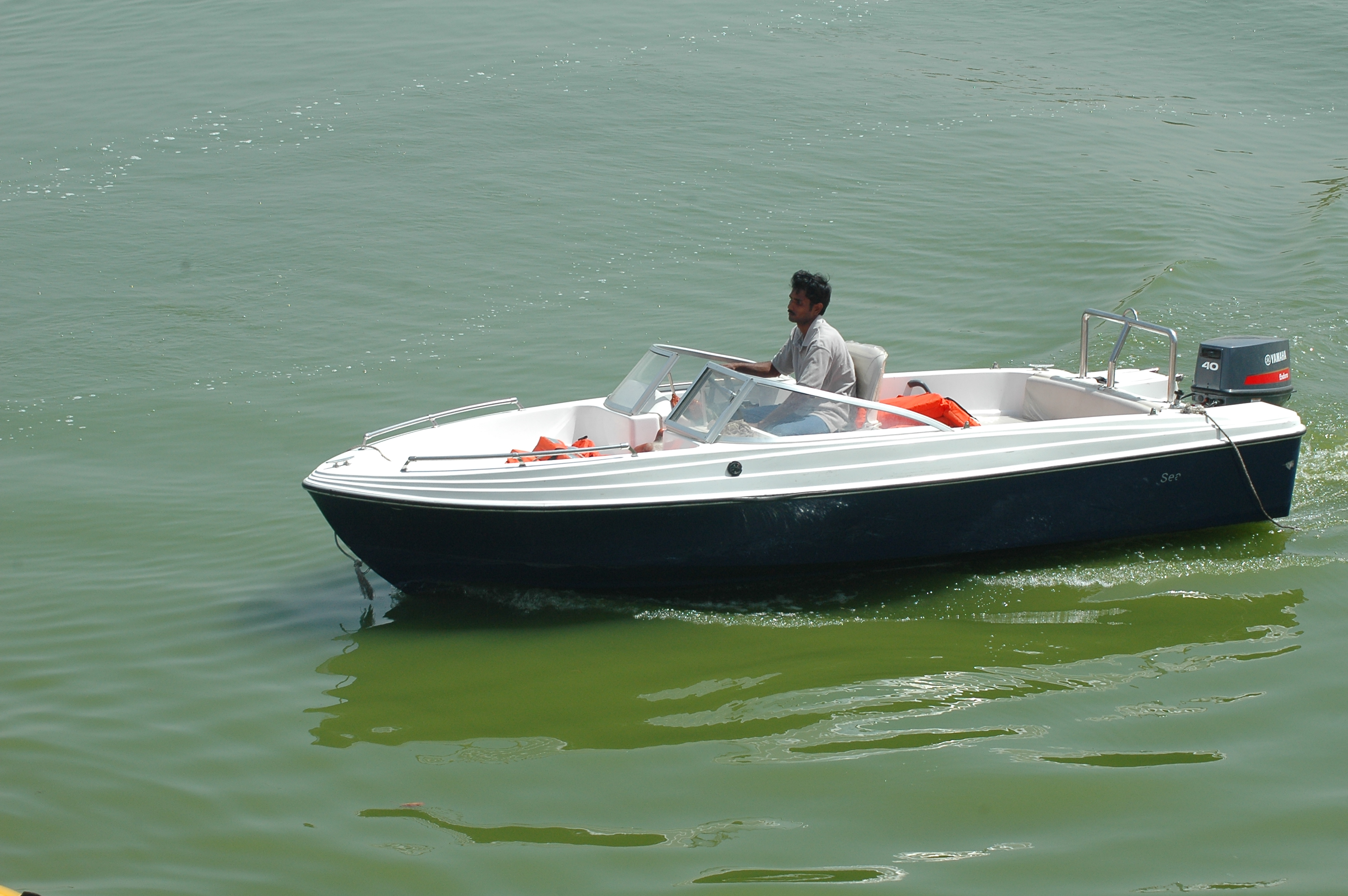
The accidents occurred under worsening weather conditions that severely tested the structural limits of the high-speed vessels, which are frequently overloaded by smugglers. These motor-driven watercraft—typically powered by outboard internal combustion engines mounted at the stern—are built for speed rather than stability or heavy payload capacity. Driven by a single propeller and lacking the protective hull depth of commercial vessels, such speedboats become dangerously volatile when packed beyond capacity, leaving passengers highly vulnerable to capsizing in open seas.
Greek authorities, alongside local volunteer rescue teams, have intensified patrols in the region, which serves as one of the primary entry points for irregular migration into Europe. The Greek government has consistently maintained a strict border enforcement posture, pointing the finger at transnational smuggling rings that profit from exploiting vulnerable populations. Athens frequently calls upon neighboring Turkey to enhance its domestic law enforcement efforts to dismantle these networks before vessels launch from its shores.
On the other side of the debate, human rights organizations and international humanitarian agencies argue that heavy-handed maritime deterrence and border policing only force migrants onto even riskier routes and more precarious vessels. Critics emphasize that as long as conflict, poverty, and political instability continue to displace populations in the Middle East and Africa, desperate individuals will continue to turn to unregulated operators who utilize inexpensive, high-risk motorboats to evade authorities.
While the humanitarian crisis in the Mediterranean is geographically distant from East Asia, the implications of border security management, maritime safety enforcement, and the destabilizing effects of large-scale human displacement resonate globally. Nations everywhere face the delicate challenge of balancing sovereign border integrity with international humanitarian obligations, making the ongoing tragedies in the Aegean a sobering reminder of the complex pressures confronting modern migration policy worldwide.
Produced by our editorial team, with AI assistance in editing.