
Ten killed, dozens injured as Somali forces clash over Yaaqshid demolition
At least ten people were killed and dozens more injured on Saturday when Somali federal forces clashed with residents of the Yaaqshid neighbourhood in Moga
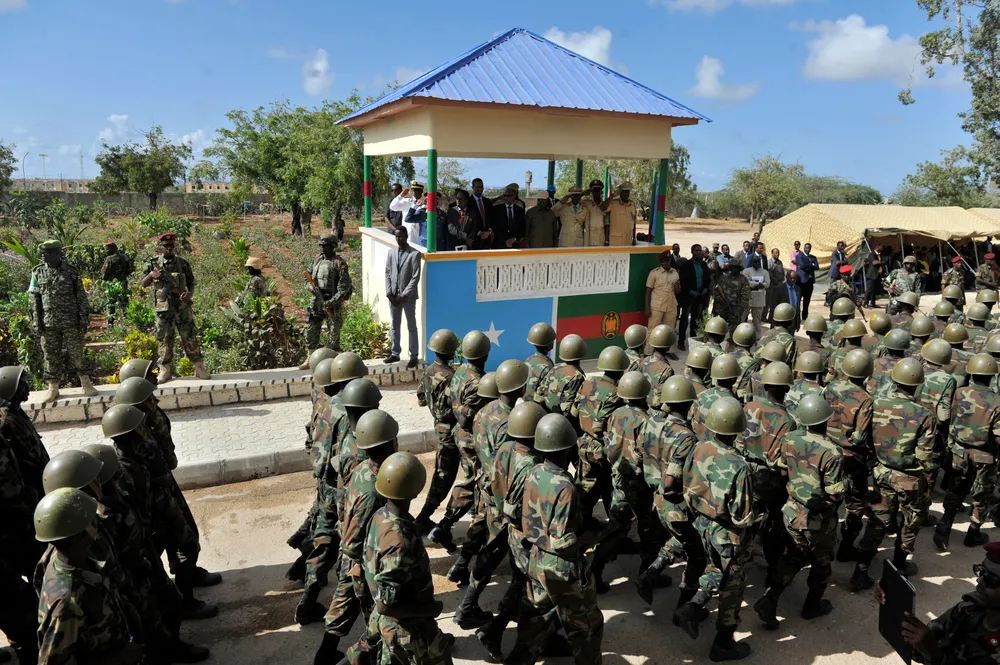
At least ten people were killed and dozens more injured on Saturday when Somali federal forces clashed with residents of the Yaaqshid neighbourhood in Mogadishu, the capital’s police chief said. The violence erupted after security troops moved in to enforce a court‑ordered demolition of several buildings that the government says were erected illegally on land earmarked for a new municipal project. Residents, many of whom have lived in the area for generations, responded with stone‑throwing and makeshift barricades, prompting a heavy‑handed police and army response that quickly escalated into gunfire.
The dispute over Yaaqshid reflects a broader tension between a central government that is still consolidating authority and a populace that remains wary of state interventions. Officials from the Ministry of Interior argue that the structures targeted for demolition were built without proper permits, obstructing plans for a public park and a community health centre that the city administration has promised for years. They also contend that the demolition is necessary to curb the proliferation of informal settlements that, in the eyes of authorities, can become breeding grounds for crime and extremism. Conversely, community leaders in Yaaqshid claim the eviction is a forced displacement that disregards customary land rights and offers no compensation, warning that the demolition threatens the livelihoods of families who depend on the homes and small businesses housed within the condemned buildings.
The security forces deployed in the operation belong to the Somali Armed Forces, the national military institution re‑established after decades of fragmentation following the collapse of Siad Barre’s regime in 1991. Historically, the armed forces once boasted the largest armored and mechanized contingent in sub‑Saharan Africa during the 1960s‑1970s, a period bolstered by close ties with the Soviet Union. However, internal clan divisions and the protracted Somali Rebellion eroded the force’s cohesion, culminating in the dissolution of the famed “Red Berets” by the late 1980s. A tentative rebuilding process began in the early 2000s, gaining momentum after the Djibouti Agreement of 2008, which sought to unify disparate militia groups under a central command. While the federal army has made strides in re‑asserting state authority, it still coexists with regional forces such as Puntland’s separate military, and its capacity to manage civil disturbances without excessive force remains under scrutiny.
Human‑rights organisations have condemned the Saturday incident, calling for an independent investigation into the use of lethal force. Amnesty International’s regional director noted that the rules of engagement for the Somali Armed Forces, as stipulated in the 2019 security sector reform guidelines, emphasize proportionality and the protection of civilians—a standard that appears to have been breached. The United Nations Assistance Mission in Somalia (UNSOM) has also expressed concern, urging the government to pursue dialogue with community representatives and to ensure that any eviction complies with both national law and international human‑rights obligations. The Somali government, for its part, has defended its actions as necessary to enforce the rule of law and to prevent the unchecked growth of informal settlements that strain the city’s already limited infrastructure.
The Yaaqshid clash underscores the fragile balance Somalia is trying to achieve between re‑establishing central authority and respecting local customs and rights. As the country continues to rebuild its national institutions, incidents like this risk undermining public confidence in the security sector and could fuel further unrest. Moreover, instability in Mogadishu has ramifications beyond Somalia’s borders: the Horn of Africa remains a critical corridor for maritime trade linking the Indian Ocean to the Suez Canal, and any escalation of internal conflict threatens the safety of shipping lanes that carry a significant share of the world’s oil and container traffic. For regional economies and global supply chains, maintaining security in Somalia is essential to prevent disruptions that could reverberate through international markets and heighten the strategic importance of diplomatic engagement with the Somali state.
Produced by our editorial team, with AI assistance in editing.