Strong Earthquake Hits Venezuela, Causing 920 Deaths and Thousands More Casualties.
On June 24, a powerful earthquake struck Venezuela, resulting in at least 920 confirmed fatalities, over 3,360 injuries, and an estimated 51,000 missing pe
On June 24, a powerful earthquake struck Venezuela, resulting in at least 920 confirmed fatalities, over 3,360 injuries, and an estimated 51,000 missing persons. The devastating earthquake has dealt a massive blow to the Venezuelan people.
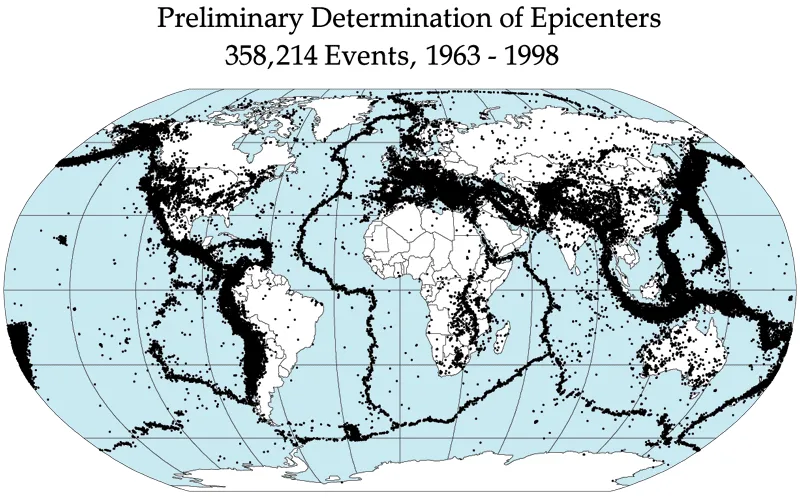
The cause of the earthquake is related to tectonic movements, which occur when the Earth's surface suddenly releases energy, causing the ground to shake. The intensity of an earthquake can range from weak to extremely powerful, potentially throwing objects and people into the air, destroying critical infrastructure, and leveling entire cities. The frequency, type, and size of earthquakes can be used to measure the seismic activity in a given area. The location of the earthquake in Venezuela is situated at the intersection of the South American Plate and the Caribbean Plate, an area known for its frequent seismic activity.
Earthquakes can be triggered not only by natural factors, but also by human activities, such as mining, hydraulic fracturing, and nuclear testing. The initial point of an earthquake is referred to as the epicenter or focus, while the point directly above the epicenter on the Earth's surface is called the hypocenter. Earthquakes are primarily caused by geological faults, but can also be triggered by volcanic activity, landslides, and other seismic events. Throughout history, there have been numerous major earthquakes, including the 1976 Tangshan earthquake, which claimed 240,000 lives.
The Venezuela earthquake has had a profound impact on the lives of local residents, with many losing their homes and loved ones. The Venezuelan government has initiated emergency relief measures, including search and rescue operations, medical assistance, and supplies. The international community has also responded with humanitarian aid and support.
In the aftermath of the earthquake, the Venezuelan government faces significant challenges, including how to quickly and effectively rescue those affected, how to rebuild damaged infrastructure, and how to support families affected by the disaster. Additionally, the earthquake has raised concerns about earthquake early warning systems and disaster prevention measures, including how to enhance seismic monitoring and warning capabilities, how to raise awareness among the public about disaster preparedness, and how to enhance emergency response capabilities.
While the Venezuela earthquake may not have a direct impact on Taiwan, this event holds significant reference value for Taiwan. Located at the intersection of the Pacific Ring of Fire and the Eurasian Plate, Taiwan experiences frequent seismic activity. As such, earthquake early warning systems and disaster prevention measures are crucial for the country. Taiwan's government and citizens can learn from the Venezuela earthquake and enhance their seismic monitoring and warning capabilities, raise awareness among the public about disaster preparedness, and prepare for the potential damage caused by earthquakes. Furthermore, Taiwan can provide humanitarian aid and support to help the Venezuelan people overcome this disaster.
Produced by our editorial team, with AI assistance in editing.