State funeral for former Iranian Supreme Leader Ayatollah Ali Khamenei held in Mashhad
The final phase of the state funeral for former Iranian Supreme Leader Ayatollah Ali Khamenei began in his hometown of Mashhad, following a one-hour delay
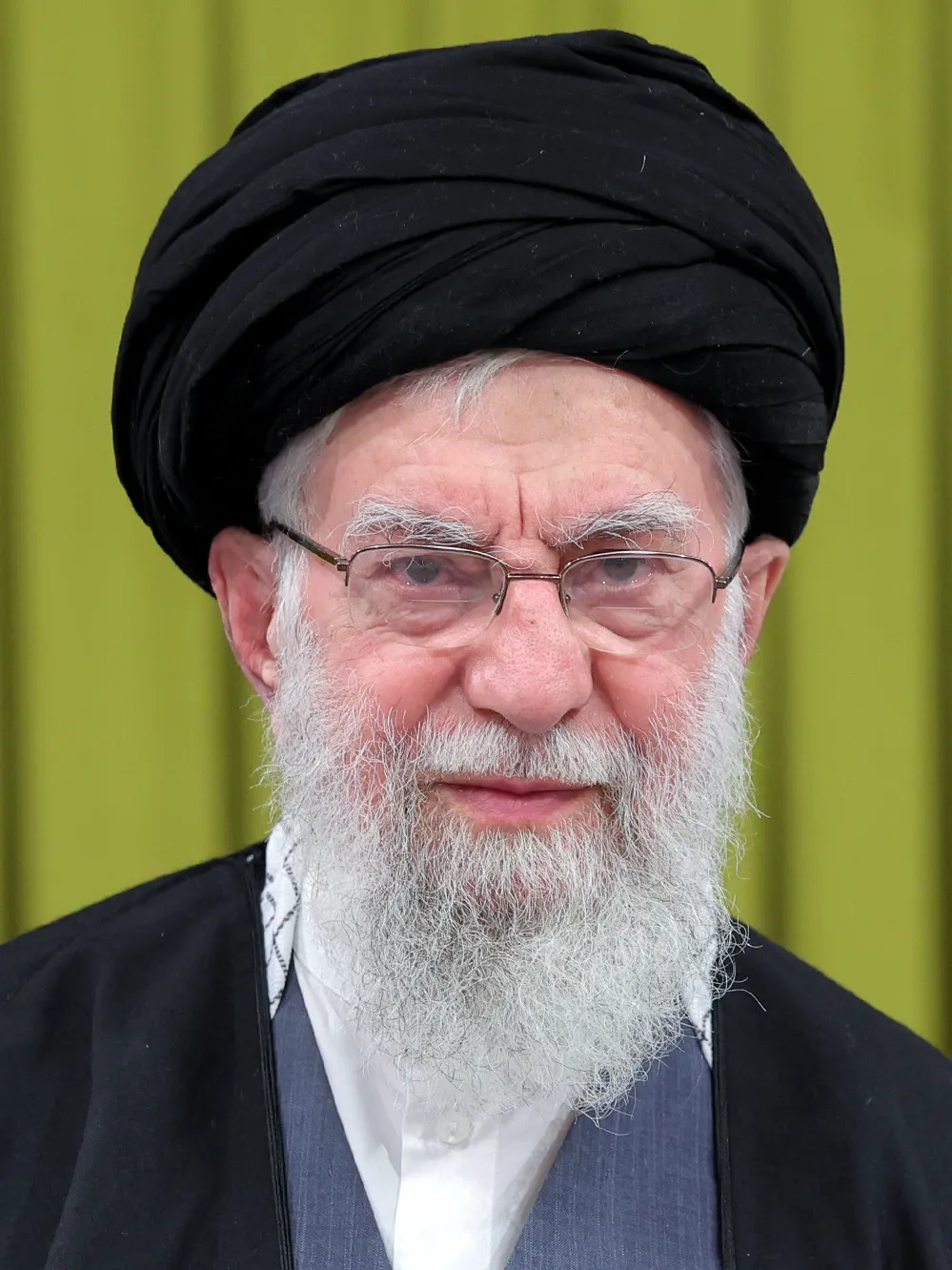
The final phase of the state funeral for former Iranian Supreme Leader Ayatollah Ali Khamenei began in his hometown of Mashhad, following a one-hour delay caused by a U.S. military attack on a railway bridge in the northeastern part of the country. The railway bridge is located along the route to the funeral, and Iranian authorities condemned the U.S. military strike as a grave violation of the nation's territory.
The death of Ayatollah Ali Khamenei was confirmed on February 28 after he was killed in an Israeli airstrike in Tehran. The attack was part of a joint U.S.-Israeli operation, with the U.S. side utilizing strategic intelligence from the Central Intelligence Agency to pinpoint the locations of senior Iranian officials. Satellite imagery showed that Khamenei's residence in Tehran suffered severe damage in the strike. Following the confirmation of his death, the Iranian government declared a 40-day national mourning period and a seven-day public holiday. Fars News Agency reported that Khamenei's daughter, granddaughter, son-in-law, and daughter-in-law were also killed in the attack. Although it was initially claimed that Khamenei's wife, Mansoureh Khojasteh Bagherzadeh, died of her injuries on March 2, Fars News Agency reported on March 12 that she is still alive.
Following Khamenei's death, the Iranian government has faced severe political and social crises. The position of Supreme Leader has historically been the central pillar of the country's political system, and Khamenei's death has sparked concerns over Iran's future political trajectory. The mourning period and public holidays announced by the Iranian government were intended to allow citizens to express their condolences and respects, but they have also triggered anxieties regarding the nation's political stability.
Iran's relations with the United States and Israel have deteriorated further in the wake of Khamenei's death. The Iranian government blamed the joint U.S.-Israeli operation for Khamenei's death, declaring it a severe violation of the country's sovereignty and territory. Meanwhile, the United States and Israel asserted that Khamenei's death dealt a blow to the country's nuclear weapons program and its support for terrorism. This incident has further intensified tensions between Iran, the United States, and Israel, raising concerns over the political and security situation in the region.
For Iran's allies and neighboring countries, Khamenei's death has also sparked apprehension. Iran holds significant influence in the Middle East, and Khamenei's demise could lead to a realignment of political forces in the region. Iran's allies, such as Syria and Lebanon, may face increased pressure and challenges from the United States and Israel.
For Taiwan, the significance of this event in helping Taiwanese readers understand the international situation lies in the fact that Khamenei's death and Iran's political crisis could exert a major impact on the political and security landscape of the Middle East. This incident has also raised concerns regarding U.S. and Israeli military operations and political interventions in the Middle East. Although Taiwan has limited direct relations with Iran, the event nevertheless holds important significance for comprehending international affairs and regional politics.
Produced by our editorial team, with AI assistance in editing.