Saudi Arabia, Algeria's National Oil Companies Lower LPG Prices
Saudi Aramco, the national oil company of Saudi Arabia, and Sonatrach, Algeria’s state‑owned oil company, announced that they will lower the price of lique
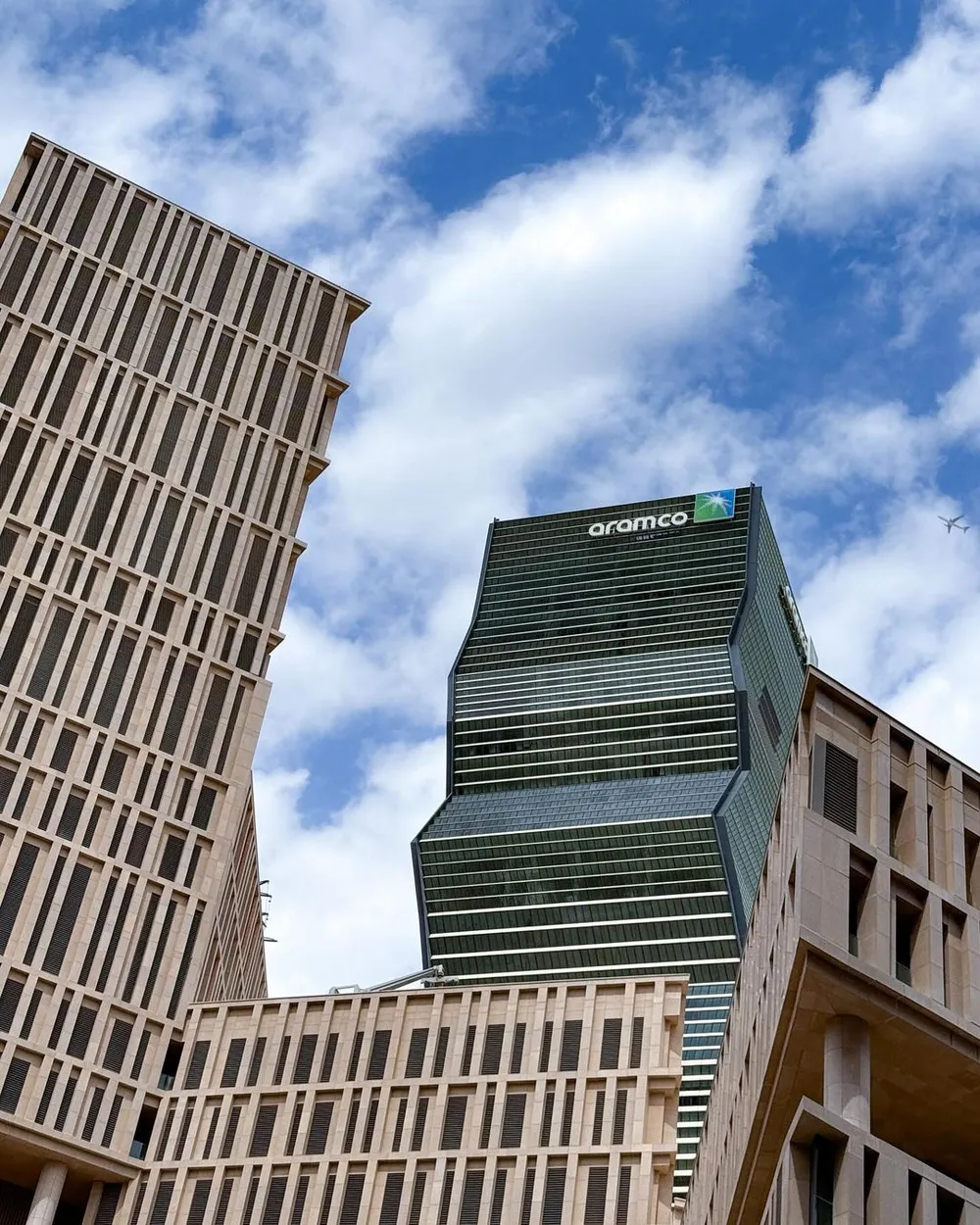
Saudi Aramco, the national oil company of Saudi Arabia, and Sonatrach, Algeria’s state‑owned oil company, announced that they will lower the price of liquefied petroleum gas (LPG) in July. Aramco plans to cut prices by 24 % to 27 %, while Sonatrach will reduce prices by 2 % to 10 %. The adjustment could have a noticeable impact on the global energy market.
Aramco is one of the world’s largest oil companies and holds the largest oil reserves globally, exceeding 27 billion barrels. It is also the world’s largest natural‑gas producer, overseeing more than 100 oil and gas fields in Saudi Arabia, including the Ghawar Field— the largest on‑shore oil field—and the Safaniya Field, the largest offshore field. As Saudi Arabia’s principal state enterprise, Aramco occupies a pivotal position in the worldwide energy market.
Sonatrach is Algeria’s national oil company, responsible for the country’s oil and natural‑gas production, transportation, and sales. The company plays a key role in Algeria’s energy sector and collaborates with numerous international energy firms. In recent years, Sonatrach has focused on enhancing its oil and gas production capacity while expanding its overseas operations.
The price cuts may stem from shifts in global energy demand and volatility in the oil market. The global energy sector has faced multiple challenges in recent years, including rising demand, climate‑change pressures, and fluctuating oil prices. To meet these challenges, energy firms must continually adjust their production and sales strategies to remain competitive.
Aramco’s and Sonatrach’s price reductions could also influence other energy companies. The global energy market is an interconnected system, and a price change by one company can affect the production and sales of others. Consequently, other firms must closely monitor these adjustments and modify their own production and sales strategies to maintain competitiveness.
For Taiwan, the price changes may affect its energy imports. Taiwan is a country with limited energy resources and relies heavily on imports to support its economic development. Therefore, shifts in the global energy market can influence Taiwan’s energy security. The country must also consider how these price adjustments impact its own energy policy and may need to adjust that policy to safeguard energy security and support economic growth.
Produced by our editorial team, with AI assistance in editing.