
Philippines Vice President Sara Duterte's impeachment trial officially begins in the Senate.
The impeachment trial of Philippine Vice President Sara Duterte has officially begun in the Senate. This event has attracted widespread attention because i
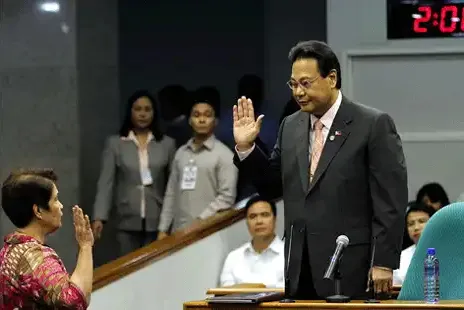
The impeachment trial of Philippine Vice President Sara Duterte has officially begun in the Senate. This event has attracted widespread attention because impeachment is a serious political process that can lead to the removal of high-ranking officials. Under the Philippine Constitution, impeachment empowers Congress to formally charge high-ranking government officials with impeachable offenses, such as culpable violation of the Constitution, treason, bribery, graft and corruption, other high crimes, or betrayal of public trust.
The impeachment process in the Philippines is initiated by the House of Representatives and requires the approval of at least one-third of all House members for the articles of impeachment to be transmitted to the Senate. However, because the legislative agenda is controlled by a simple majority, minority lawmakers may face procedural difficulties in bringing an impeachment measure to a full vote. This also means that the impeachment process is not only a legal matter but also a political one, which requires consideration of the balance of political power and the positions of all parties involved.
In the case of Sara Duterte's impeachment, the House of Representatives has already passed the articles of impeachment, and the case has now been submitted to the Senate for trial. The Senate will conduct a review in accordance with constitutional and legal procedures and ultimately decide whether to remove the Vice President. This process could trigger significant changes in Philippine politics and will have implications for the country's political stability and society.
The impeachment system in the Philippines is part of the nation's democratic framework, designed to ensure that high-ranking officials remain accountable to the people and to uphold the dignity of the Constitution and the laws. However, the impeachment process can also be politically manipulated and become a tool for political struggle. Therefore, Sara Duterte's impeachment case is both a legal and a political issue that requires careful examination and evaluation.
During the trial, the Senate will hear arguments and evidence from both sides before casting its vote in accordance with constitutional and legal procedures. The final decision will have a profound impact on Philippine politics and society, while also exerting a certain influence on regional politics and international relations.
For Taiwan, although the Philippine impeachment case has no direct connection to Taiwan's politics and society, this event holds important reference value for understanding international politics and the functioning of democratic systems. By observing the Philippine impeachment process, Taiwan can gain a deeper understanding of how democratic nations handle misconduct and political accountability among high-ranking officials, while also reflecting on its own political system and democratic procedures to further consolidate and improve its democratic institutions.
Produced by our editorial team, with AI assistance in editing.