Mountain landslide in the Philippines leaves dozens dead
Two landslides have struck the Philippines in recent days, each triggered by Typhoon Bavi and an intensified monsoon. In the Malapatan area of Sarangani Pr
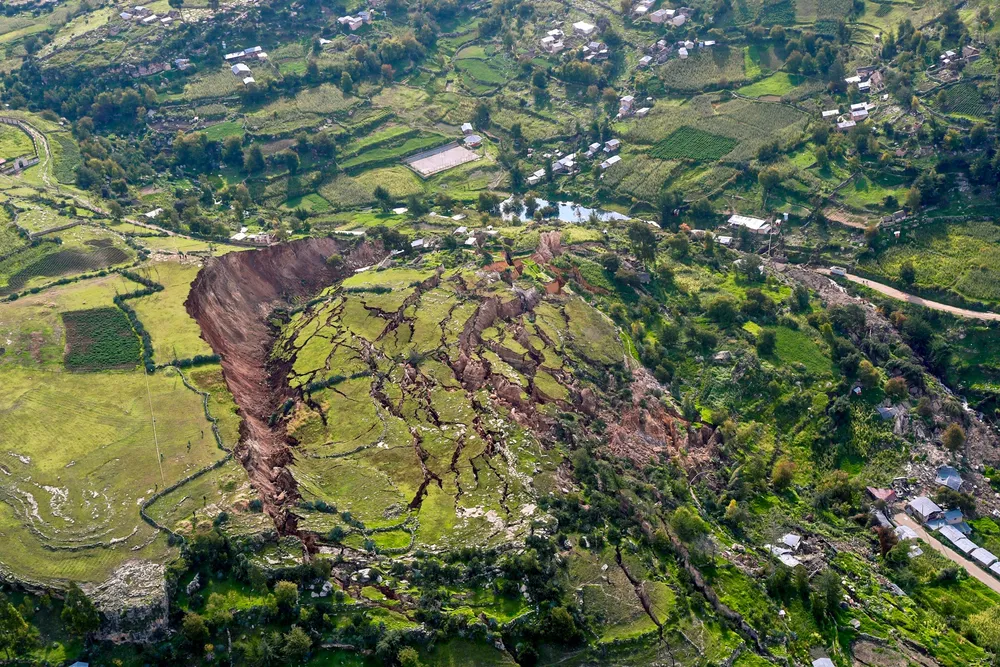
Two landslides have struck the Philippines in recent days, each triggered by Typhoon Bavi and an intensified monsoon. In the Malapatan area of Sarangani Province, a residential neighborhood was buried by a slope failure, killing ten people. A separate landslide occurred in the Kalanogas area of Lanao Province, where seven individuals were confirmed dead, two were injured and four remain missing; rescue operations are ongoing.
A landslide is a ground movement that may involve rock falls, debris flows, slope instability and other forms. Such phenomena can occur in a variety of settings—from mountainous terrain to coastal cliffs and even underwater. Gravity is the primary driving force, but the likelihood and severity are also influenced by topography, soil characteristics, hydrological conditions and other factors. Many landslides are precipitated by specific triggers such as heavy rain, earthquakes or construction activities, although the exact cause can sometimes be difficult to determine.
Human activities are a major catalyst for landslides, especially urban expansion, resource extraction and deforestation. These actions degrade soil and diminish vegetation that stabilises the ground. Climate change and global warming further increase the frequency and intensity of landslides. Consequently, landslides are not only natural hazards but are also closely linked to anthropogenic influences.
The Philippines is one of the most disaster‑prone countries in Asia, regularly experiencing landslides, typhoons, earthquakes and other hazards. Its geographic and climatic conditions make it especially vulnerable. While the national government and civil‑society groups have been working to strengthen disaster prevention and response capacities, significant challenges remain.
Landslides have severe consequences for affected communities, causing loss of life and damaging homes, farms and infrastructure. Effective mitigation and response require coordinated efforts among government agencies, NGOs and residents. Enhancing monitoring, early‑warning systems and emergency preparedness can reduce the damage caused by slope failures.
For Taiwan, the recent Philippine landslides serve as a reminder of the island’s own natural‑hazard risks. Situated on an active seismic belt and in a region frequently hit by typhoons, Taiwan also experiences landslides and debris flows, particularly in mountainous and coastal zones. Strengthening disaster prevention and response capabilities—drawing on the experiences and lessons of other countries—will be essential for safeguarding lives and property on the island.
Produced by our editorial team, with AI assistance in editing.