
Massive Cyclosporiasis Outbreak Hits 18 US States, Infecting Thousands
A large-scale outbreak of cyclosporiasis, caused by the parasite *Cyclospora cayetanensis*, has recently hit the United States, spreading across 18 states.
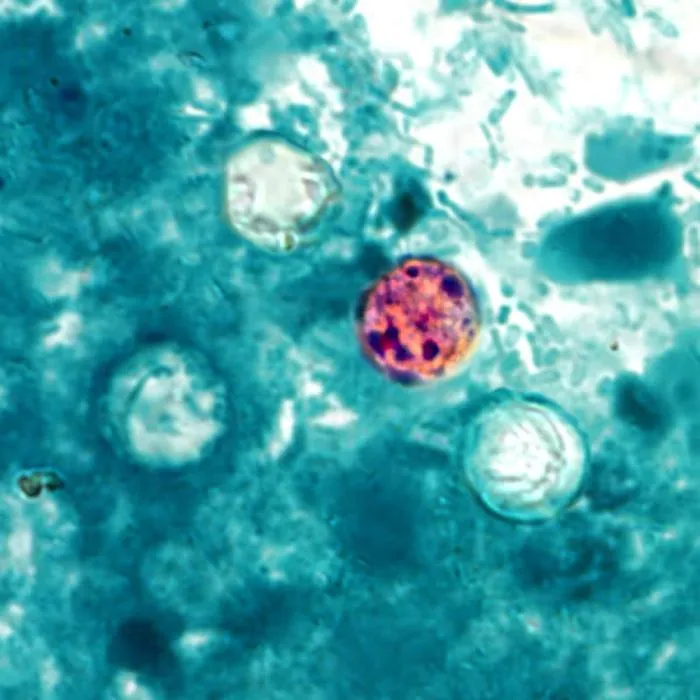
A large-scale outbreak of cyclosporiasis, caused by the parasite *Cyclospora cayetanensis*, has recently hit the United States, spreading across 18 states. According to the latest data, the Michigan Department of Health and Human Services has reported approximately 992 cases, while the Ohio Department of Health has reported 177 cases.
Cyclosporiasis is a parasitic disease primarily transmitted through contaminated food and water. The oocysts of this parasite require an incubation period of one to two weeks in the environment before becoming infectious. Consequently, direct person-to-person transmission is virtually impossible, though it remains a potential hazard for travelers and can lead to severe diarrhea. In fact, cyclosporiasis is known to cause explosive diarrhea.
This outbreak is most likely linked to contaminated fruits and vegetables. Because the oocysts of *Cyclospora* need to incubate in the environment for a period before becoming infectious, direct person-to-person transmission is nearly impossible; however, contamination of food and water can trigger large-scale outbreaks. Therefore, U.S. health authorities are actively investigating the cause of the outbreak while reminding the public to remain vigilant about food and water safety.
U.S. health authorities are taking measures to control the spread of the outbreak, including stepping up inspections of food and water, alongside reminders for the public to practice good personal hygiene. Because cyclosporiasis can cause severe diarrhea, citizens need to monitor their health status and seek medical attention immediately if relevant symptoms appear.
This outbreak has also drawn attention from other countries. Given that cyclosporiasis can be transmitted through contaminated food and water, other nations must also remain alert to the risks posed by this disease. This necessitates enhanced inspections of food and water, as well as public reminders regarding personal hygiene.
For Taiwan, the outbreak offers important lessons for public health and food safety. As Taiwan is a major hub for international travel and trade, it must remain mindful of the risks associated with this disease. This requires strengthening food and water inspections, reminding the public to maintain personal hygiene, and cooperating with other countries to jointly prevent and control the spread of the disease.
Produced by our editorial team, with AI assistance in editing.