
Massive Cottonwood Fire in Utah's Cottonwood Canyon Destroys Nearly 60,000 Acres of Land.
A massive wildfire, known as the Cottonwood Fire, has ravaged over 59,000 acres of land in Utah, with the blaze threatening the Eagle Point Resort, just a
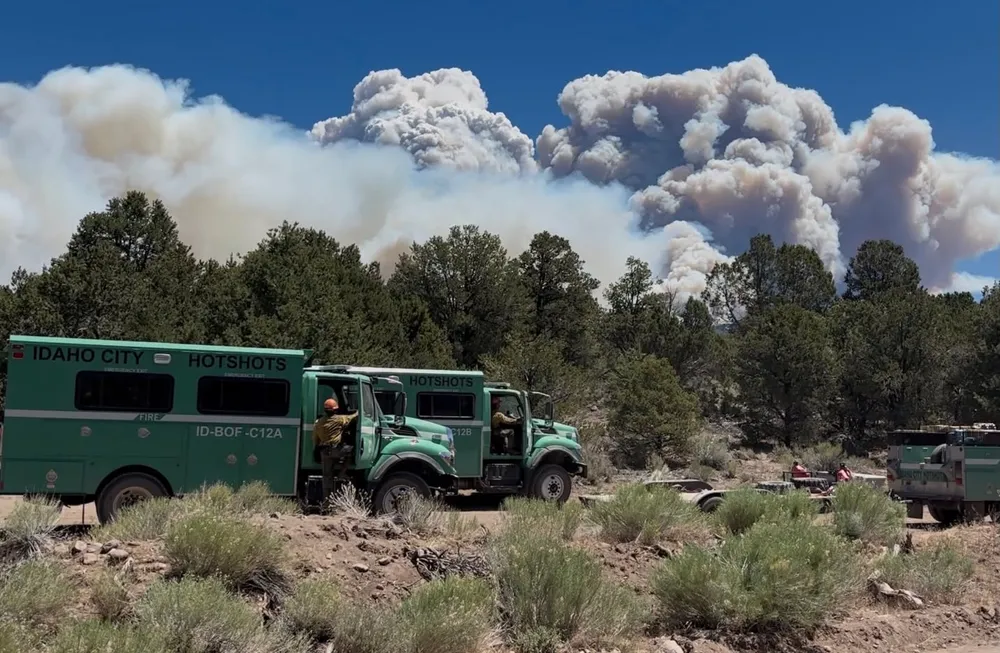
A massive wildfire, known as the Cottonwood Fire, has ravaged over 59,000 acres of land in Utah, with the blaze threatening the Eagle Point Resort, just a few miles away. Utah Governor Spencer Cox described the fire as one of the most destructive in the state's history.
According to reports, the Cottonwood Fire started in Piute and Beaver counties in Utah, approximately 5 miles from Beaver Town, on June 22, 2026. The cause of the fire remains unknown, but it spread rapidly, consuming over 10,000 acres of land on its first day. By June 24, the fire had destroyed an estimated 60,000 acres of land. By July 2, the fire had ravaged 95,807 acres of land, with a containment rate of 47%, and had destroyed at least 150 structures. The fire is also classified as the sixth-largest wildfire in Utah's history.
The rapid spread and devastating nature of the fire have raised concerns among local residents and government officials. Governor Spencer Cox has declared the fire one of the most destructive in the state's history, with local firefighters and rescue teams working tirelessly to contain the blaze and provide aid to affected residents. In addition, local authorities are investigating the cause of the fire and implementing measures to prevent similar incidents in the future.
The impact of the fire extends beyond the local area, affecting the environment and ecosystems in surrounding regions. Wildfires can lead to poor air quality, posing a threat to nearby residents and wildlife. As a result, local government and environmental agencies are closely monitoring the fire's impact and taking measures to minimize its environmental effects.
Utah state government and firefighting departments are taking proactive measures to prevent and contain wildfires, including enhanced fire prevention education, increased emergency response capabilities, and enhanced monitoring and patrols in high-risk areas. Additionally, local authorities are urging residents to be fire aware and to avoid using open flames outdoors, thereby reducing the risk of wildfires.
For Taiwan, the Cottonwood Fire, although occurring in the United States, holds significant lessons for the country's forestry and environmental protection. As Taiwan faces threats from wildfires, particularly during dry seasons, learning from American experiences and technologies in wildfire prevention and suppression can significantly enhance Taiwan's forestry and environmental protection capabilities. Furthermore, Taiwan can draw valuable lessons from this fire to improve its preparedness and emergency response to wildfires, protecting the country's environment and ecosystems.
Produced by our editorial team, with AI assistance in editing.