
Kerala landslide kills two, leaves seven missing, disrupts local traffic.
A major landslide in the Vellanad area of Kerala, India, has left two people dead and seven others missing. Triggered by recent heavy rains in the region,
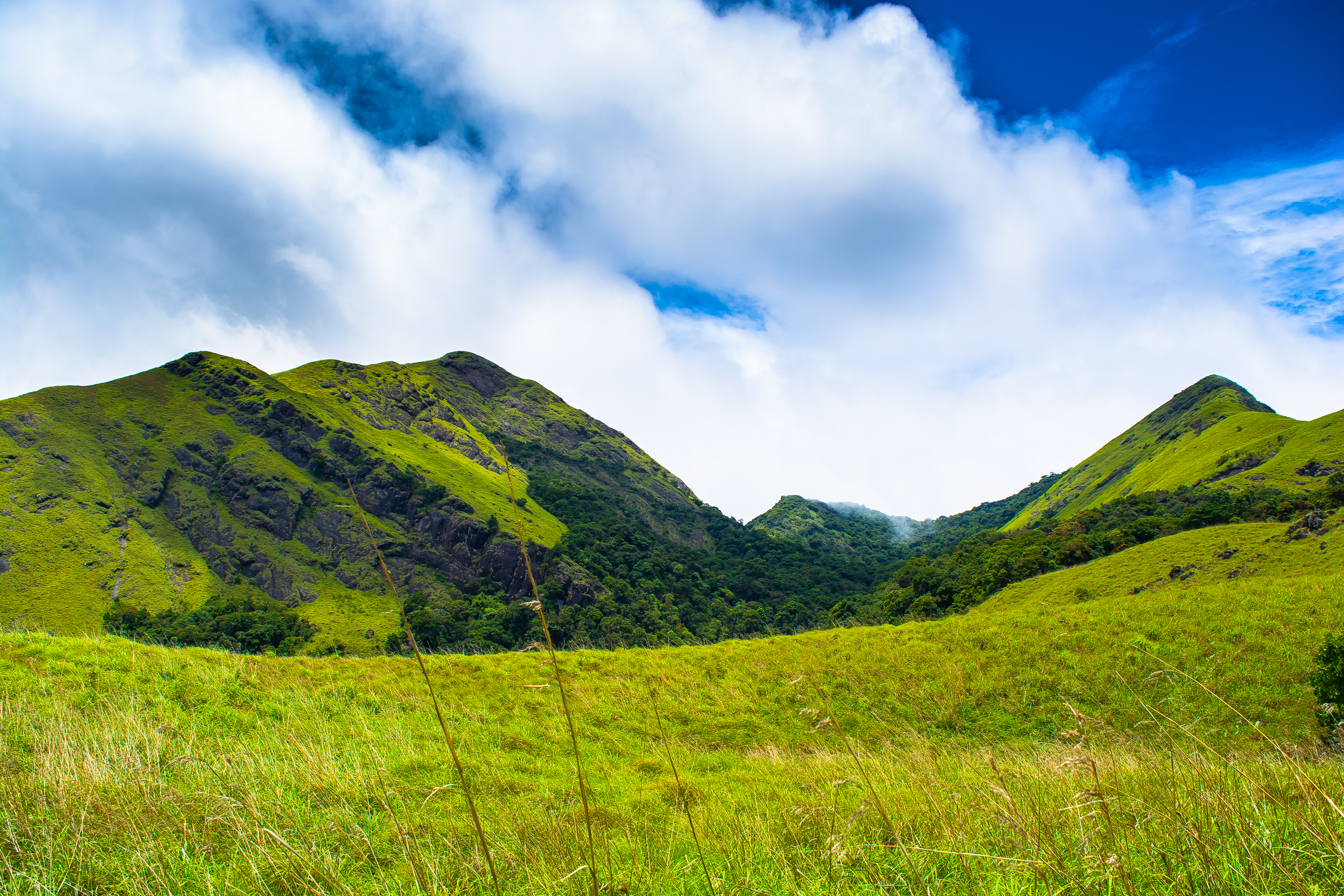
A major landslide in the Vellanad area of Kerala, India, has left two people dead and seven others missing. Triggered by recent heavy rains in the region, the landslide also destroyed a bridge, causing severe disruptions to local transportation and residents.
The Vellanad region is located in the northeastern part of Kerala and is characterized by a highland terrain. Its administrative headquarters is located in the city of Kalpetta, making it the only highland district in Kerala. The Vellanad Plateau is the southern extension of the Deccan Plateau, with elevations ranging from 700 to 2,100 meters. To the west of the region lie the Western Ghats, while the east connects to the Eastern Ghats. The highest point in the Vellanad region is Vellarimala Peak, standing at an elevation of 2,240 meters, located at the intersection of the Vellanad, Malappuram, and Kozhikode districts.
Vellanad was officially established as Kerala's 12th district on November 1, 1980, having been carved out of the Kozhikode and Kannur districts. Forest areas in the region span 885.92 square kilometers, accounting for the majority of the land. The Vellanad region also comprises three municipalities: Kalpetta, Mananthavady, and Sulthan Bathery. The area is home to numerous indigenous tribes, including the Kadar, Kuruma, Paniya, and several others.
The landslide in Kerala's Vellanad region is directly linked to the recent torrential rains, which caused slope instability and subsequently triggered the disaster. The event has severely impacted local residents and transportation, and local authorities are working intensively on rescue and disaster relief operations.
For the Indian government, this landslide serves as a test of the country's capacity for natural disaster prevention and management. The government needs to enhance monitoring and early warning systems for natural disasters while also strengthening infrastructure development, including bridges, roads, and other public facilities. Such measures are essential to effectively prevent and respond to natural disasters and to protect the lives and property of the people.
For Taiwan, although the landslide in the Vellanad region of Kerala, India, has no direct connection to the island, it still holds significant reference value. Taiwan is similarly a region prone to natural disasters, including typhoons, earthquakes, and landslides. Consequently, the Taiwanese government and public must strengthen their capabilities in disaster prevention and mitigation, which includes bolstering infrastructure development and raising public awareness and emergency response capacity regarding disasters. At the same time, Taiwan needs to enhance cooperation with other countries, including India, to jointly address natural disasters and safeguard the lives and property of the people.
Produced by our editorial team, with AI assistance in editing.