
Iran's parliament speaker Ghalibaf re-elected, cementing conservative rule.
Iran’s parliament recently announced that incumbent speaker Mohammad Bagher Ghalibaf was re‑elected with a large majority, marking his seventh consecutive
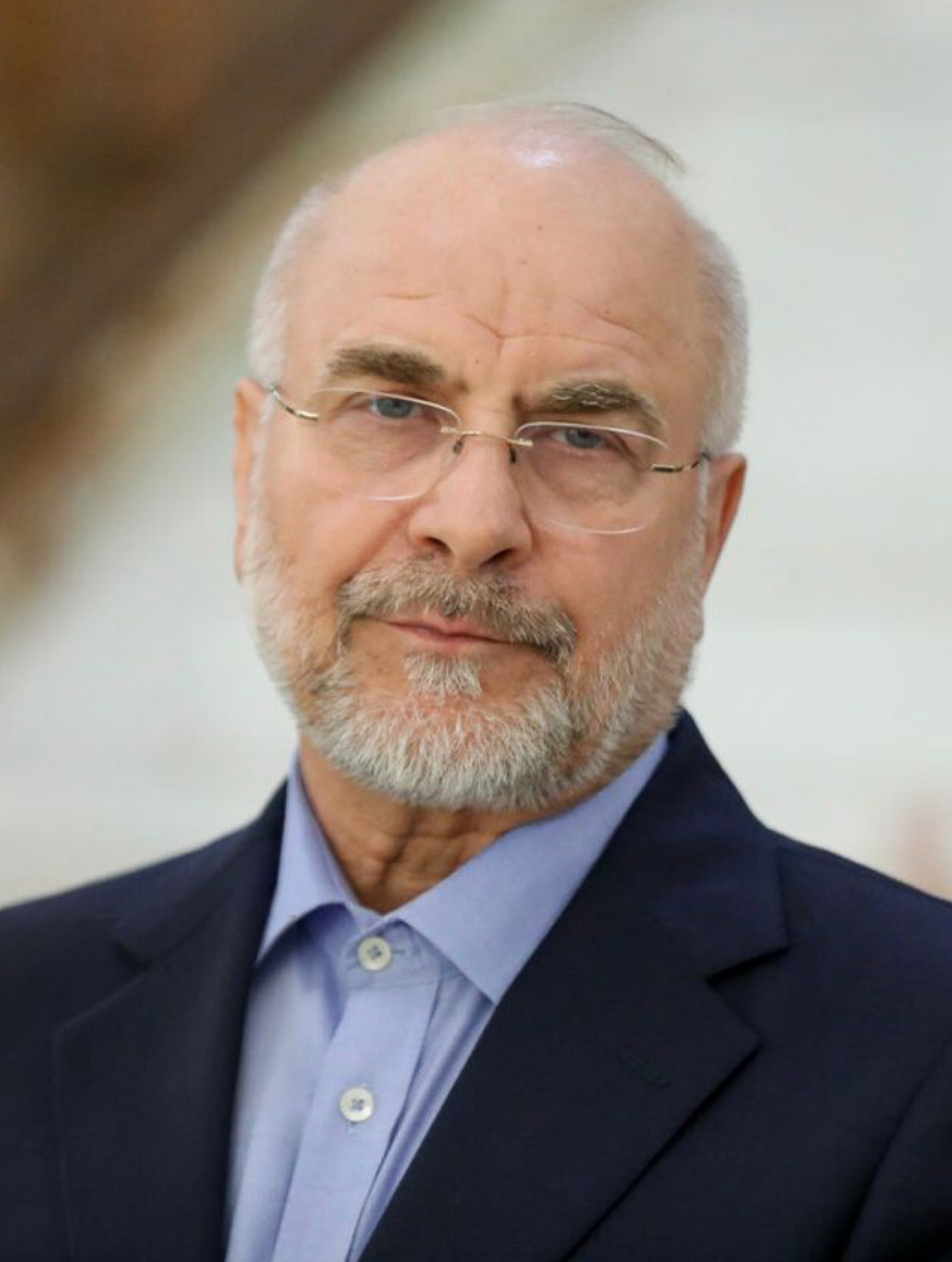
Iran’s parliament recently announced that incumbent speaker Mohammad Bagher Ghalibaf was re‑elected with a large majority, marking his seventh consecutive year in the post. Ghalibaf has served as speaker since 2020 and has in recent years been described as a key figure in handling Iran’s strategic affairs.
According to his biography, Ghalibaf began his military career during the Iran‑Iraq War in 1980, rising quickly to command the Islamic Revolutionary Guard Corps (IRGC) Imam Reza Brigade and later the IRGC’s Fifth Nasr Division. After the war, he moved into the engineering sector, serving as manager of the IRGC‑controlled Hatam‑Anbia Construction Headquarters. From 1997 to 2000 he was commander of the IRGC Air Force, and subsequently headed the national police force. During that period he was accused of using force to suppress protesters, arresting intellectuals and journalists, and imposing strict moral and hijab regulations.
In 2005 Ghalibaf was elected mayor of Tehran, a position he held until 2017. While mayor, he oversaw a number of high‑profile construction projects, including upgrades to infrastructure and public transportation. His career spans the military, engineering and administrative arenas, and his experience and network have made him a prominent figure in Iranian politics.
Ghalibaf’s re‑election as speaker carries significant implications for Iran’s political landscape. The country faces a range of internal and external challenges, including economic pressure, nuclear negotiations and regional security concerns. As speaker, Ghalibaf will play a major role in Iran’s decision‑making process, particularly on strategic and foreign‑policy matters.
The vote also underscores the dominance of Iran’s conservative bloc in parliament. The conservative‑led legislature’s support for Ghalibaf signals a continuation of hard‑line political influence, which could shape Tehran’s domestic policies toward protesters and dissidents as well as its approach to regional security issues.
For Taiwan, the development warrants close attention. Iran is a key player in the Middle East, and its political and diplomatic posture has a substantial impact on regional stability. Ghalibaf’s continued leadership may affect Iran’s stance on nuclear matters and security cooperation in the region, while also reflecting a broader trend toward conservatism that could influence Tehran’s handling of human‑rights and democratic issues. Taiwan therefore needs to monitor Iran’s political trajectory and assess any repercussions for regional dynamics and its own security.
Produced by our editorial team, with AI assistance in editing.