Heavy rains kill at least 24 in Ghana and Ivory Coast, thousands affected.
Heavy rainfall has recently struck Accra, the capital of Ghana, and Abidjan, the largest city in Ivory Coast, triggering severe floods and landslides that
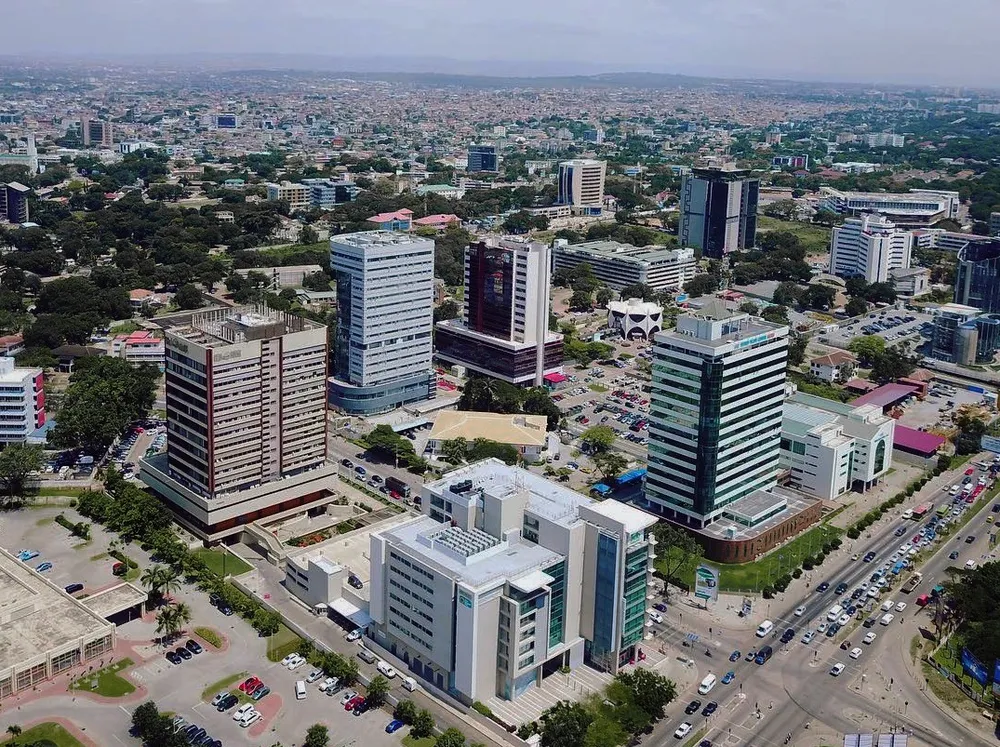
Heavy rainfall has recently struck Accra, the capital of Ghana, and Abidjan, the largest city in Ivory Coast, triggering severe floods and landslides that have left at least 24 people dead. The disaster has had a massive impact on local residents, with numerous homes and buildings submerged by floodwaters, while transportation and communication systems have suffered severe damage.
Accra is the political, economic, and cultural center of Ghana. Located on the coast of the Gulf of Guinea, the city proper has a population of approximately 284,124, while the surrounding Greater Accra Region has a population of 54,600. The city's history dates back to the 19th century, when it served as an important stronghold for various European colonial powers. Covering an urban area of about 20.4 square kilometers, Accra is the only area in Ghana granted official city status. The city has developed rapidly, but it also faces numerous challenges, including traffic congestion, environmental pollution, and inadequate infrastructure.
Heavy rainfall is a frequent natural disaster in Africa, particularly during the rainy season. This disaster serves as a reminder of the need to strengthen attention to and preparedness for climate change. Climate change has led to an increased frequency of extreme weather events, posing a tremendous threat to the lives and property of local residents. Therefore, effective measures must be taken to address climate change, including strengthening infrastructure development, raising public awareness, and developing sustainable economic models.
Abidjan in Ivory Coast is also a major economic hub in the West African region, with a population of approximately 5 million. The city's economy relies primarily on agriculture, manufacturing, and services, and in recent years it has also striven to develop tourism and the financial sector. However, the city likewise faces many challenges, including inadequate infrastructure, traffic congestion, and environmental pollution.
For residents in the affected areas, this disaster has brought immense suffering and loss. Many people have lost their homes and livelihoods, and they are in urgent need of support and assistance from the government and society. Consequently, rescue and reconstruction efforts in the disaster-stricken areas must be intensified, including the provision of basic living supplies, the repair of infrastructure, and support for the recovery of the local economy.
For Taiwan, this disaster serves as a reminder of the need to enhance attention to and preparedness for climate change. As Taiwan is also one of the regions in Asia vulnerable to the impacts of climate change, it must adopt effective measures to tackle the occurrence of extreme weather events. At the same time, Taiwan can engage in exchanges and cooperation with countries such as Ghana and Ivory Coast in areas such as infrastructure development, raising public awareness, and sustainable development, in order to jointly meet the challenges of climate change.
Produced by our editorial team, with AI assistance in editing.