
Grand Canyon flash flood kills two, leaves one hiker still missing
The National Park Service confirmed on Saturday that the death toll from the flash‑flood that struck Grand Canyon National Park on 29 August has risen to t
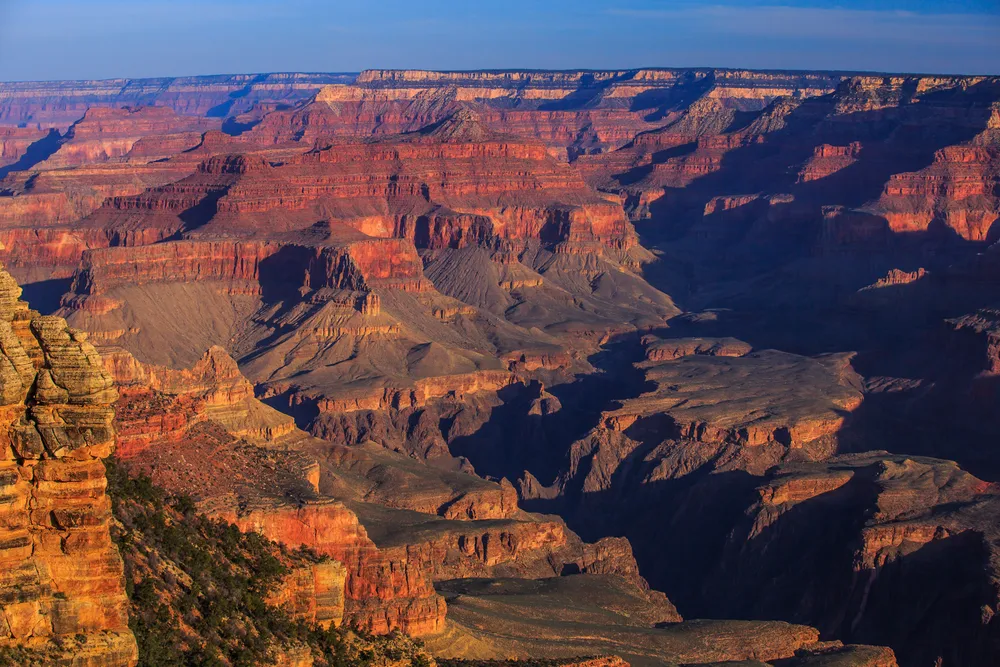
The National Park Service confirmed on Saturday that the death toll from the flash‑flood that struck Grand Canyon National Park on 29 August has risen to two, while the number of people still unaccounted for has been reduced to a single individual after park rangers located 21 of the 22 hikers who were reported missing. The two fatalities, both members of a family from Texas, were identified by local authorities, and the remaining missing hiker—a 19‑year‑old from Colorado—has been placed on a coordinated search effort involving helicopter support, ground teams and volunteer responders.
The flood, which surged through the North Rim’s Bright Angel Trailhead and the adjacent canyon floor, was triggered by an intense thunderstorm that dropped more than three inches of rain in a matter of hours—well above the average August precipitation for the region. The sudden runoff overwhelmed the normally arid wash channels, turning them into torrents that swept away equipment, overturned tents and swept hikers downstream. Park officials said the storm’s speed and the steep topography of the canyon contributed to the rapid rise of water levels, leaving little time for visitors to seek higher ground.
Grand Canyon National Park, covering 1.2 million acres across Coconino and Mohave counties, draws nearly five million visitors each year, making it one of the United States’ most heavily trafficked natural attractions. Its iconic gorge, carved by the Colorado River over millions of years, is a UNESCO World Heritage Site and a cornerstone of the American tourism economy. The sheer volume of foot traffic, combined with the park’s rugged terrain, creates a constant challenge for the National Park Service to balance public access with safety. In recent years, the agency has expanded its visitor‑education programs, emphasizing the dangers of flash flooding, the importance of checking weather forecasts, and the need to stay on marked trails.
In the aftermath of the disaster, park officials have faced questions about the adequacy of warning systems and the clarity of signage in flood‑prone zones. The NPS has defended its protocols, noting that the storm’s intensity exceeded the thresholds for which standard alerts are triggered. Nonetheless, the incident has prompted a review of emergency communication procedures, including the potential deployment of additional real‑time weather monitoring stations and the use of mobile‑app alerts targeted at hikers in remote sections of the park. Local rescue teams, including the Coconino County Sheriff’s Office and the U.S. Forest Service, have praised the swift coordination that allowed most missing persons to be found within 24 hours, highlighting the value of inter‑agency cooperation in large‑scale wilderness incidents.
Environmental analysts point to a broader trend of increasingly volatile weather patterns across the American Southwest, driven in part by climate change. Warmer atmospheric temperatures can hold more moisture, leading to heavier downpours in short periods—a scenario that amplifies flash‑flood risk in desert canyons. While the Grand Canyon’s geological formation is ancient, its modern management must adapt to these evolving conditions. The National Park Service is reportedly consulting with climatologists to refine risk assessments and to develop more robust mitigation strategies, such as temporary trail closures during high‑risk periods and enhanced training for ranger crews in rapid‑response flood scenarios.
The incident underscores the delicate interplay between natural wonder, tourism revenue and public safety that defines the Grand Canyon’s role in the regional economy. With the park accounting for a sizable share of Arizona’s tourism income—estimated at over $2 billion annually—the repercussions of any perceived safety lapse could influence visitor numbers and, by extension, the livelihoods of communities that depend on park‑related commerce. Moreover, the tragedy highlights how extreme weather events, increasingly linked to global climate dynamics, can disrupt critical supply chains in the tourism sector and prompt a reevaluation of risk management practices across protected areas worldwide. The response to the flash flood will likely shape future policies aimed at preserving both the canyon’s natural integrity and its status as a safe, accessible destination for millions of travelers.
Produced by our editorial team, with AI assistance in editing.