
Fourteen die in Saudi Aramco helicopter crash in latest Middle East aviation tragedy.
A severe air accident occurred in Saudi Arabia, with a helicopter owned by Saudi Aramco, the country's state-owned oil company, crashing in Ras Tanura, res
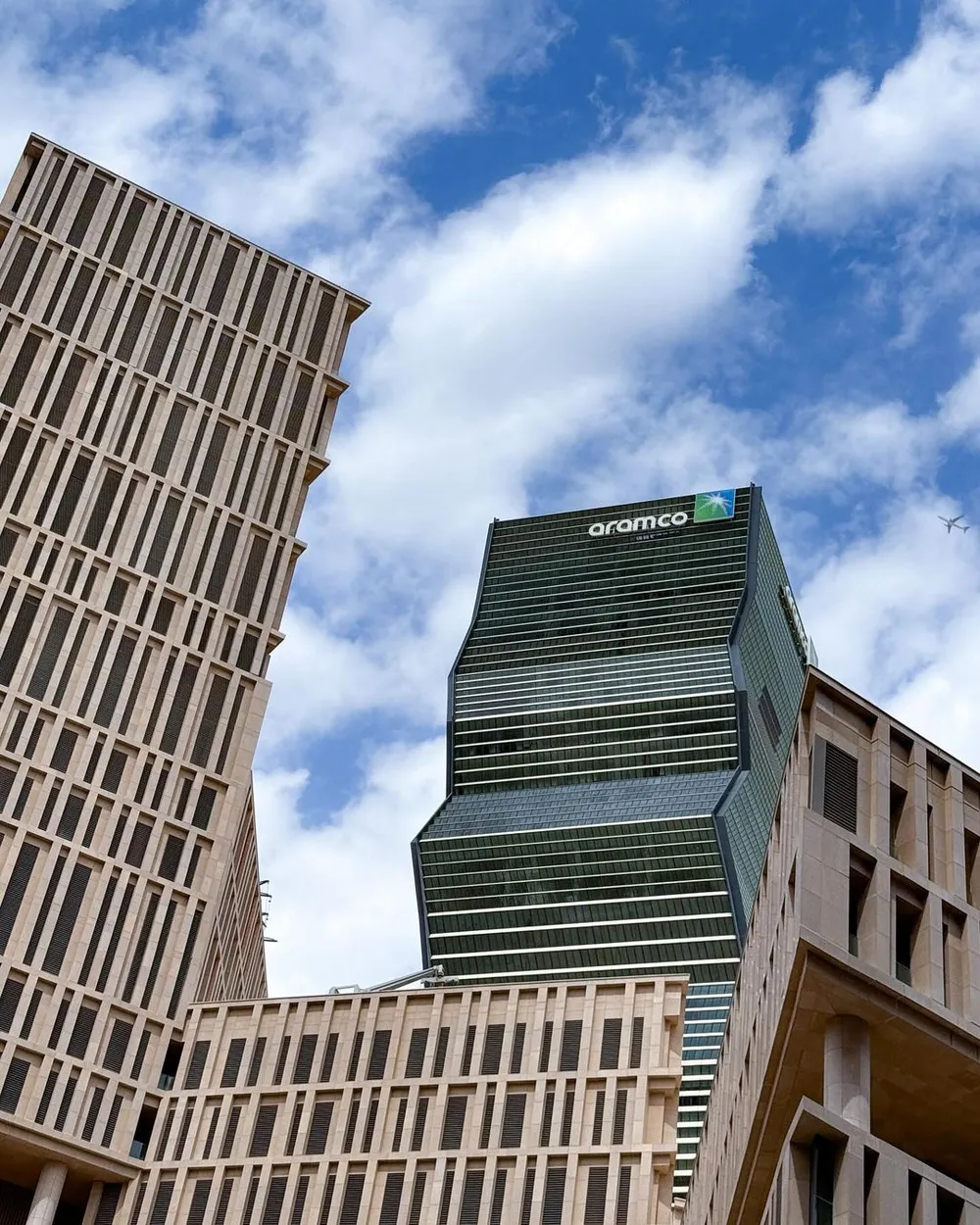
A severe air accident occurred in Saudi Arabia, with a helicopter owned by Saudi Aramco, the country's state-owned oil company, crashing in Ras Tanura, resulting in the deaths of 14 people. The incident has dealt a heavy blow to both Saudi Aramco and the Saudi Arabian government.
Saudi Aramco is Saudi Arabia's national oil company and one of the world's largest oil companies. Founded in 1933, the company is headquartered in Dhahran, Saudi Arabia. Saudi Aramco possesses the world's largest crude oil reserves, exceeding 27 billion barrels, and is also the world's largest oil producer. The company operates the world's largest single hydrocarbon network, known as the Master Gas System. In 2024, Saudi Aramco's oil production reached 1.27 million barrels per day, overseeing more than 100 oil and gas fields in Saudi Arabia, including 2.884 trillion standard cubic feet of natural gas reserves.
Saudi Aramco operates several important oil fields in the eastern provinces of Saudi Arabia, including the world's largest onshore oil field, the Ghawar Field, and the world's largest offshore oil field, the Safaniya Field. On December 11, 2019, Saudi Aramco's shares began trading on the Saudi Stock Exchange, with the stock price rising to 35.2 Saudi riyals, valuing the company at approximately $188 billion, making it one of the world's largest publicly traded companies.
The helicopter crash incident serves as a stern warning to Saudi Aramco's operations and the energy industry in Saudi Arabia. Saudi Aramco needs to conduct a thorough investigation and reflection to ensure the safety of its operations and employees. At the same time, the Saudi Arabian government also needs to reassess and strengthen the safety management of the energy industry to prevent similar tragedies from occurring again.
The helicopter crash incident has raised concerns about the safety of the energy industry. The energy industry is a critical pillar of the global economy, but it is also a high-risk industry. Countries and companies need to strengthen the safety management and supervision of the energy industry to ensure the reliable supply of energy and the safety of employees.
Although the incident is not directly related to Taiwan, it holds significant implications for the safety management and supervision of the global energy industry. As a net energy importer, Taiwan needs to pay close attention to the dynamics and safety management of the global energy market to ensure the reliable supply of energy and national energy security. Furthermore, Taiwan can learn from Saudi Aramco's experiences and lessons to strengthen its own energy industry's safety management and supervision, preventing similar tragedies from occurring in Taiwan.
Produced by our editorial team, with AI assistance in editing.