
Flash floods kill over 950, hundreds trapped in Nepal hydropower tunnels
The death toll from the flash floods that battered Nepal’s central hills on Tuesday has risen to more than 950, with officials estimating that several hund
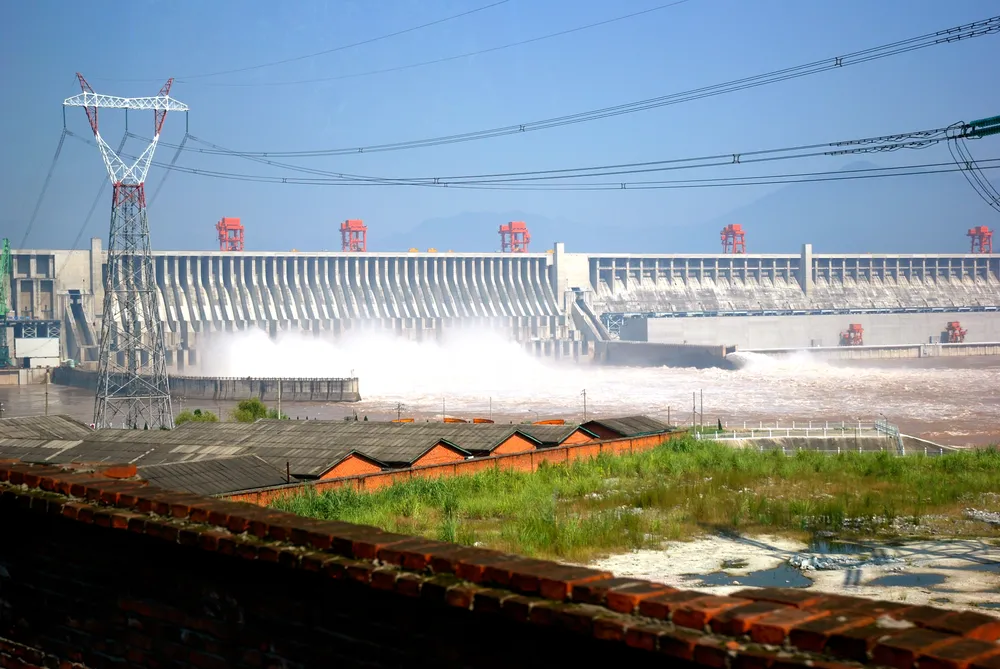
The death toll from the flash floods that battered Nepal’s central hills on Tuesday has risen to more than 950, with officials estimating that several hundred more people may be trapped inside the tunnels of the country’s expanding hydropower network. Rescue teams, aided by the Nepalese army and international NGOs, are combing through landslides and swollen river valleys while helicopter crews attempt to locate the missing in remote, water‑logged valleys that host many of the nation’s hydroelectric projects.
The calamity comes at a time when Nepal is racing to meet its energy ambitions through hydropower, a sector that now accounts for roughly 90 percent of the country’s electricity generation and is projected to provide up to 15 gigawatts of capacity by 2030. The nation’s mountainous terrain offers abundant water flow, and the government has promoted large‑scale dam and tunnel projects as a low‑carbon pathway to economic development and reduced reliance on imported fossil fuels. International financiers, including the World Bank, have backed many of these schemes, citing hydropower’s potential to deliver reliable power while curbing greenhouse‑gas emissions.
However, the rapid expansion of the sector has also raised concerns about vulnerability to extreme weather events. The monsoon rains that triggered the floods were intensified by a lingering El Niño pattern, and climate‑change models predict that such deluges will become more frequent across the Himalayas. Critics argue that the construction of extensive tunnel networks and upstream dams can exacerbate flood risks by altering natural river courses and limiting the landscape’s ability to absorb sudden water surges. Local communities, whose livelihoods depend on agriculture and seasonal grazing, have voiced anxiety that the very infrastructure meant to lift them out of poverty may now be endangering them.
In response, the Nepalese government has pledged to prioritize rescue operations and to conduct a comprehensive safety audit of all hydropower installations within the most affected districts. Minister of Energy, Water Resources and Irrigation Prakash Shrestha emphasized that “the safety of workers and residents is paramount, and we will review construction standards to ensure that future projects can withstand extreme hydrological events.” Meanwhile, the Nepal Hydro Power Association, representing private developers, has urged the authorities not to halt ongoing projects, warning that suspension could jeopardize energy security and economic growth. The association insists that most facilities are built to international safety codes and that the current disaster is an extraordinary natural event rather than a design flaw.
Humanitarian groups, including the International Committee of the Red Cross and local NGOs such as Nepal Red Cross Society, have highlighted the difficulty of reaching victims trapped in the labyrinthine tunnels that double as power conduits and water conveyance channels. The tunnels, often extending several kilometres underground, were originally designed for water flow and turbine installation, not as emergency shelters. Their narrow, steeply sloped passages complicate rescue efforts, especially when debris and water block access points. Relief agencies are calling for a reassessment of tunnel design standards, suggesting the incorporation of secondary egress routes and real‑time monitoring systems that could alert operators to sudden influxes of water.
The unfolding tragedy underscores broader regional implications. Nepal’s hydropower output feeds into the South Asian grid, supplying electricity to neighboring India and Bangladesh, and its development has attracted investment from Chinese and Indian firms. Disruptions to the sector could reverberate through regional energy markets, affecting trade balances and the reliability of cross‑border power purchases. For Taiwan, which has been expanding its own small‑scale hydroelectric capacity and is an emerging supplier of turbine technology to South Asia, the incident highlights the importance of integrating climate‑resilient engineering into renewable‑energy projects. The disaster may also prompt multinational firms and development banks to revisit risk assessments for infrastructure in climate‑vulnerable zones, influencing future financing and technology transfer arrangements across the Indo‑Pacific.
Produced by our editorial team, with AI assistance in editing.