Explosion at Augsburg Hauptbahnhof injures two, cause under investigation
An explosion ripped through Augsburg Hauptbahnhof, the main railway station in the southern German city of Augsburg, on Thursday afternoon, leaving two peo
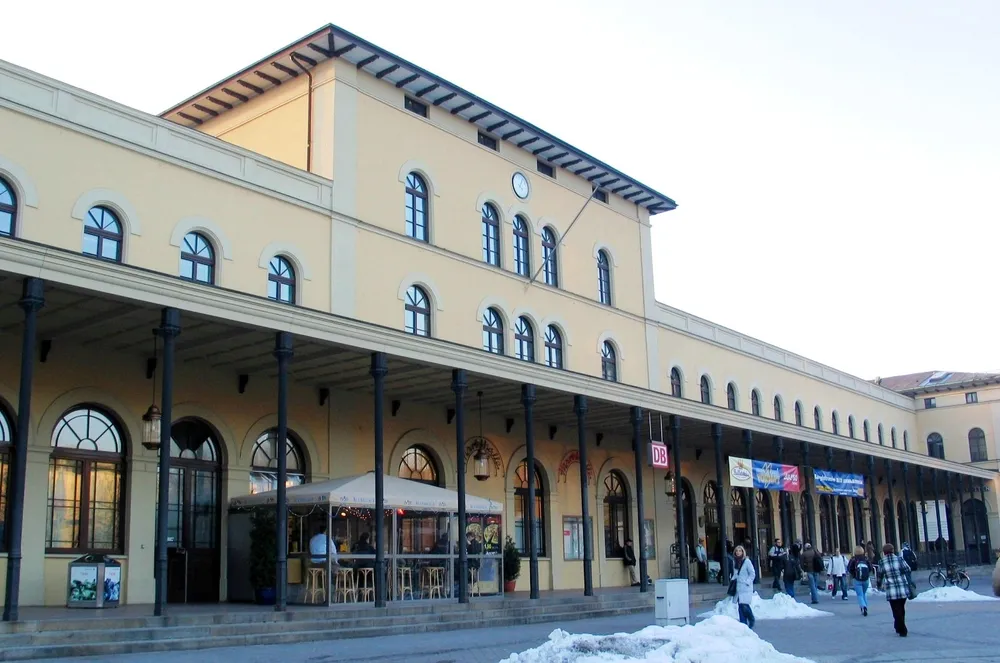
An explosion ripped through Augsburg Hauptbahnhof, the main railway station in the southern German city of Augsburg, on Thursday afternoon, leaving two people wounded and prompting an immediate emergency response. The blast, whose cause remains unidentified, set off a fire alarm and caused a brief evacuation of the station’s bustling concourse. Police, fire crews and Deutsche Bahn’s safety teams arrived within minutes, securing the site and providing medical assistance to the injured, who were later treated at a nearby hospital. The investigation, now being led by local authorities in cooperation with federal investigators, has not yet released any details about the device or material that triggered the explosion.
Augsburg Hauptbahnhof is a pivotal node in Germany’s rail network, classified by Deutsche Bahn as a category‑2 station and featuring twelve platform tracks that accommodate regional, intercity and high‑speed services. The station’s historic hall, one of the oldest still standing in the country, dates back to the mid‑1840s when architect Eduard Rüber oversaw its original construction. It was later rebuilt in 1869 under the direction of Friedrich Bürklein, preserving its neoclassical façade while adapting to expanding traffic demands. Today the station serves as the central hub for the Augsburg metropolitan area and the broader Bavarian Swabia region, handling tens of thousands of passengers daily and linking the city to major German and European destinations.
The site is currently undergoing a substantial modernization program aimed at improving capacity, accessibility and intermodal connectivity. A major component of the upgrade is the construction of an underground tram station beneath the existing railway complex, intended to streamline transfers between regional trains and the city’s tram network. The works, which began last year, have already required temporary platform adjustments and phased closures of certain tracks, but officials have emphasized that safety standards remain paramount. In the wake of the explosion, Deutsche Bahn’s spokesperson reiterated that the ongoing construction will not be halted, but that security measures around the site will be heightened pending the outcome of the police inquiry.
Local police have not disclosed any suspect or motive, and they have asked the public to refrain from speculation while the forensic analysis proceeds. Authorities have also appealed for witnesses who may have observed unusual activity in the station in the hours before the blast. Meanwhile, the Federal Ministry of the Interior’s Office for the Protection of the Constitution is monitoring the incident for any signs of extremist involvement, a routine step after any unexplained violent event in a public transport hub. The German Transport Minister, Volker Wissing, issued a statement expressing “deep concern” and confirming that a joint task force of railway security, federal police and emergency services will coordinate the response, ensuring that passenger confidence in the rail system is restored swiftly.
While the incident appears localized, its ramifications extend beyond Augsburg. The station’s role as a conduit for both passenger travel and freight movement means that any disruption can ripple through supply chains that depend on timely rail logistics across central Europe. The ongoing modernization, which includes upgraded signaling and expanded cargo handling facilities, is part of a broader European effort to shift freight from road to rail in order to reduce emissions and alleviate highway congestion. A prolonged interruption at Augsburg Hauptbahnhof could therefore affect the punctuality of goods, including high‑value components such as semiconductors that traverse the continent en route to Asian manufacturers, including Taiwanese firms. Maintaining the flow of these critical materials is essential for the stability of global technology supply chains, underscoring why a swift, transparent investigation and restoration of normal operations are in the interest of both European economies and their international partners.
Produced by our editorial team, with AI assistance in editing.