Europe Suffers 1,300 Heat-Related Deaths as Climate Change Takes Center Stage.
Severe heatwaves have been sweeping across Europe, resulting in a significant number of fatalities. As of now, over 1,300 people have lost their lives due
Severe heatwaves have been sweeping across Europe, resulting in a significant number of fatalities. As of now, over 1,300 people have lost their lives due to the heatwaves, with France accounting for more than 1,000 deaths and Spain reporting over 300. These heatwaves have had a substantial impact on the medical systems and social order of European countries.
A heatwave is a prolonged period of abnormally high temperatures, typically relative to the normal climate and seasonal temperatures of a particular region. However, defining and quantifying heatwaves can be challenging, as different regions have varying normal temperature standards. The same temperature can be considered normal in a warmer climate region but extreme in a cooler one. In recent years, heatwave frequency and intensity have increased globally, particularly on land, with the number and duration of heatwaves increasing since the 1950s, primarily due to climate change.
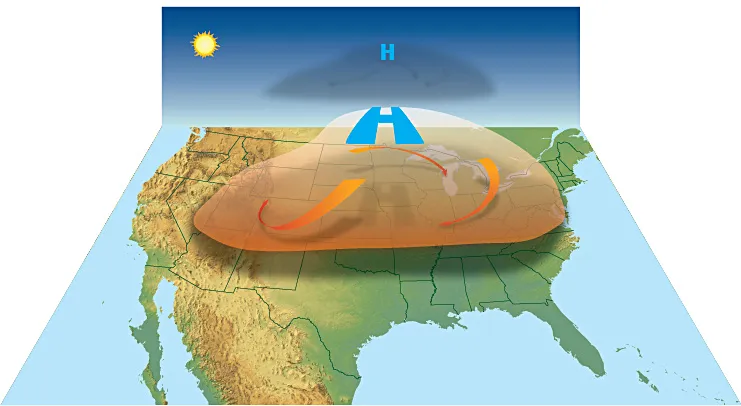
According to data from the World Meteorological Organization, 2024 saw a record-breaking number of heatwaves in Europe, North America, and China, with many areas experiencing temperatures above 45°C for several consecutive days, highlighting the increasing frequency and severity of extreme high-temperature events worldwide. Heatwaves typically form due to high-pressure systems in the upper atmosphere, which cause the air below to heat up, leading to rising surface temperatures.
European governments and medical institutions have implemented various measures to address the heatwaves, including enhancing cooling facilities in public spaces, increasing medical staff rotations, and providing emergency services. Meteorological departments have also strengthened heatwave warnings and monitoring, reminding the public to take precautions against heatstroke and heat-related illnesses. However, the impact of heatwaves extends beyond human casualties to agricultural production losses and economic effects.
Regarding the long-term impact of heatwaves, scientists attribute the increased frequency and intensity of heatwaves to climate change, suggesting that reducing greenhouse gas emissions and addressing climate change is the fundamental solution to the heatwave problem. Meanwhile, governments and citizens must fortify their defenses against heatwaves by improving urban greenery and cooling facilities, enhancing medical institutions' emergency capabilities, and other measures.
Although Taiwan has not experienced large-scale heatwaves in recent years, the impact of climate change cannot be overlooked. According to data from the Central Weather Bureau, Taiwan's average temperature has been rising in recent years, with summer temperatures reaching record highs. As such, Taiwan must strengthen its defenses against heatwaves, including improving urban greenery and cooling facilities, enhancing medical institutions' emergency capabilities, and learning from European countries' responses to heatwaves to collectively address the challenges of climate change.
Produced by our editorial team, with AI assistance in editing.