
DRC Ebola outbreak kills 600, control faces multiple challenges
A recent report indicates that the Ebola outbreak in the Democratic Republic of the Congo has already claimed 600 lives, a stark figure that underscores bo
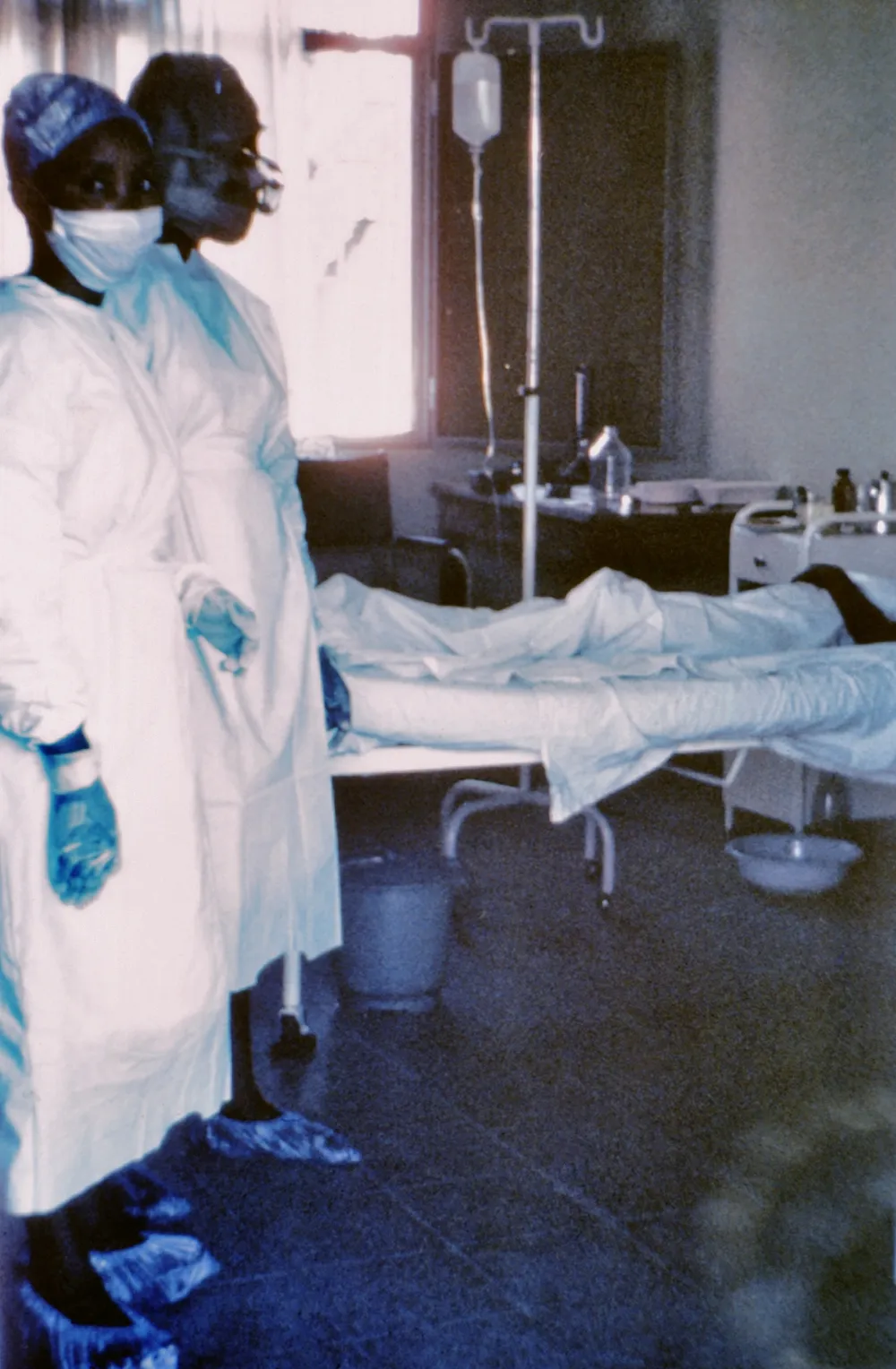
A recent report indicates that the Ebola outbreak in the Democratic Republic of the Congo has already claimed 600 lives, a stark figure that underscores both the severity of the epidemic and the difficulty of containing it.
Ebola virus causes a viral hemorrhagic fever in humans and other primates, typically spreading through direct contact with the bodily fluids of infected individuals or with objects contaminated by those fluids. Symptoms usually appear within two to three weeks after infection. Early signs include fever, sore throat, muscle aches and headache, followed by vomiting, diarrhea, rash, and dysfunction of the liver and kidneys. The disease has a high case‑fatality rate, averaging about 50% and reaching up to 90% in some outbreaks. The specific viral strain and the timeliness of treatment are critical determinants of prognosis; death most often results from shock caused by fluid loss, occurring six to 16 days after the onset of initial symptoms.
Since its first identification in 1976, Ebola has caused intermittent outbreaks across sub‑Saharan Africa, the largest being the 2013‑2016 West Africa epidemic. These flare‑ups are generally linked to human contact with infected animals or to inadequate medical facilities and poor sanitation. Effective control requires strict protective measures, including isolation of patients, contact tracing, and provision of appropriate medical infrastructure and equipment.
In the Democratic Republic of the Congo, the outbreak has persisted for several months. The national government and international organisations are working to curb its spread, but they face numerous obstacles: limited medical resources, difficult transportation networks, and widespread public fear and misconceptions. Consequently, the international community must increase support and assistance to contain the epidemic and prevent further transmission.
Sustained control of Ebola demands long‑term effort, encompassing the strengthening of health‑care facilities and sanitation, raising public health awareness and education, and bolstering international cooperation and aid. Only through such comprehensive actions can the threat to human life and health be effectively mitigated.
For Taiwan, although the Ebola crisis has no direct domestic impact, it highlights the challenges and importance of global public‑health security. As a member of the international community, Taiwan needs to monitor and understand evolving public‑health threats, enhance its own health‑security capabilities, and deepen cooperation with other nations to prepare for potential future outbreaks.
Produced by our editorial team, with AI assistance in editing.