
Deadly Building Collapse in Mumbai Leaves Six People Dead
A severe building collapse in Mumbai, India, has left six people dead and one injured. The incident occurred at a three-story residential building, which s
A severe building collapse in Mumbai, India, has left six people dead and one injured. The incident occurred at a three-story residential building, which suffered structural damage due to days of torrential rain, ultimately leading to the tragedy.
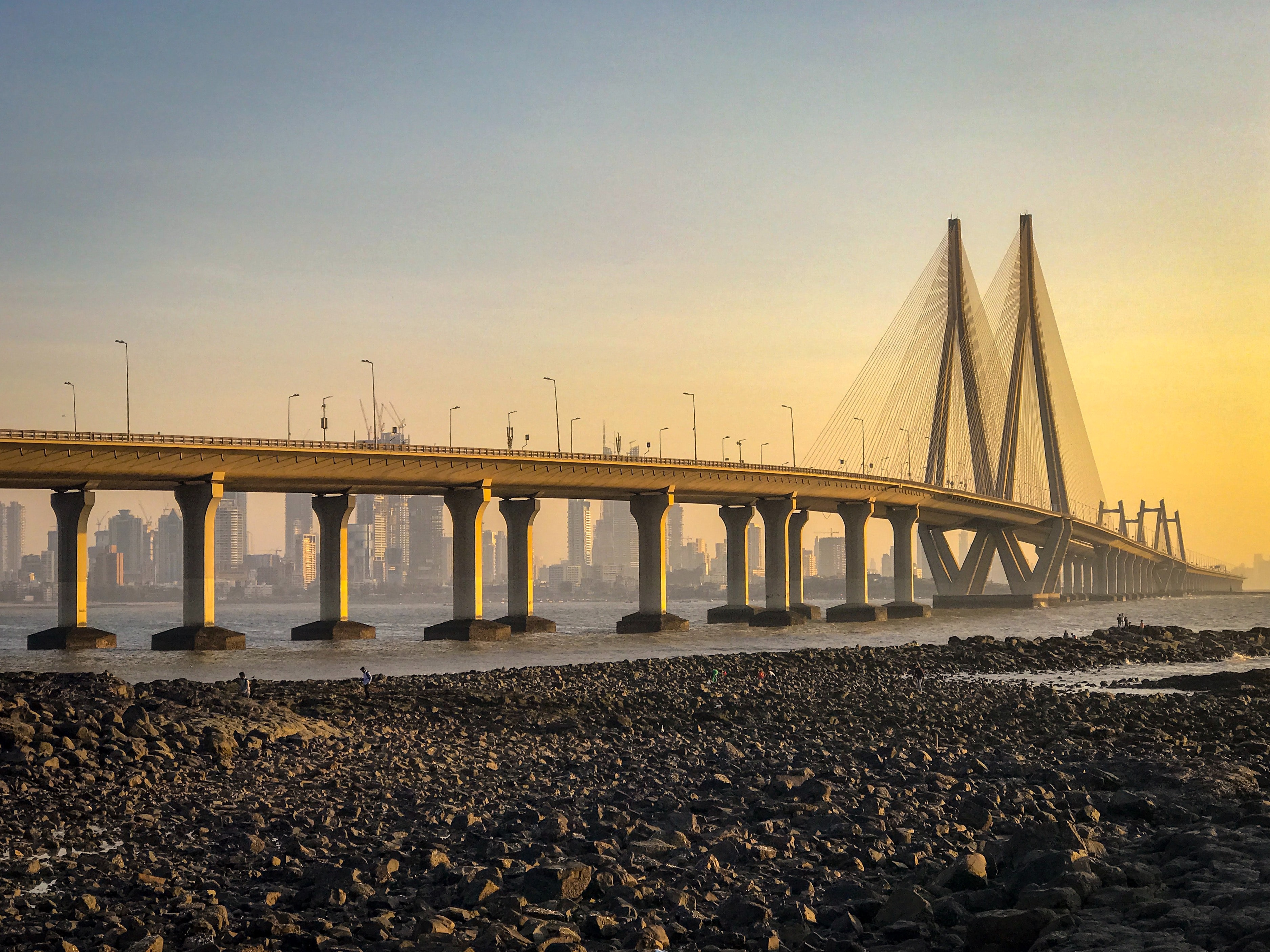
Mumbai is the capital of the Indian state of Maharashtra and India's largest city, with an estimated population of about 12.5 million. It is the financial center of India and one of the largest metropolitan areas in the world, with a metropolitan population exceeding 23 million. Located on the Konkan coast on the west coast of India and featuring a natural deep-water harbor, Mumbai is a major port city. It was classified as an Alpha world city in 2008 and boasts the highest number of billionaires in Asia.
The history of Mumbai dates back centuries, when it was originally inhabited by Marathi-speaking Koli people. Subsequently, the city was successively controlled by the Portuguese Empire and the British East India Company. In 1661, the British East India Company acquired control of Mumbai from the Portuguese Empire. Beginning in 1782, Mumbai underwent massive land reclamation projects that reshaped the city's landscape. These historical events have had a profound impact on the development of Mumbai and shaped its prosperity today.
The Indian government places great importance on building collapse incidents and has launched an investigation to determine the cause of the accident. Meanwhile, the government is also striving to improve urban infrastructure to prevent similar accidents from happening again. Residents of Mumbai have expressed support for the government's measures, hoping to build a safer and better city.
India's climate is characterized by alternating rainy and dry seasons, and torrential rains are a common natural disaster in the country. To cope with this situation, the Indian government needs to strengthen the city's disaster prevention capabilities while securing the cooperation and support of its residents. Only through the joint efforts of the government and the residents can natural disasters be effectively prevented and addressed, and the lives and property of the people protected.
For Taiwan, although this accident has no direct connection to the island, it holds significant meaning for understanding international affairs and the challenges of urban management. As an important entity in Asia, Taiwan faces similar challenges, including natural disasters and urban infrastructure development. By paying attention to and learning from the experiences of other countries and cities, Taiwan can better address its own challenges and build a safer and better future. At the same time, Taiwan can engage in exchanges and cooperation with India and other nations to share experiences and technologies in urban management and disaster prevention, jointly promoting development and prosperity in the Asian region.
Produced by our editorial team, with AI assistance in editing.