
Cholera outbreak in Sudan's western Kordofan province infects over 800, 30 dead.
The Dahamar Emergency Room in West Kordofan State, Sudan, recently reported that the local communities of Wad Banda and Nahud have recorded more than 800 c
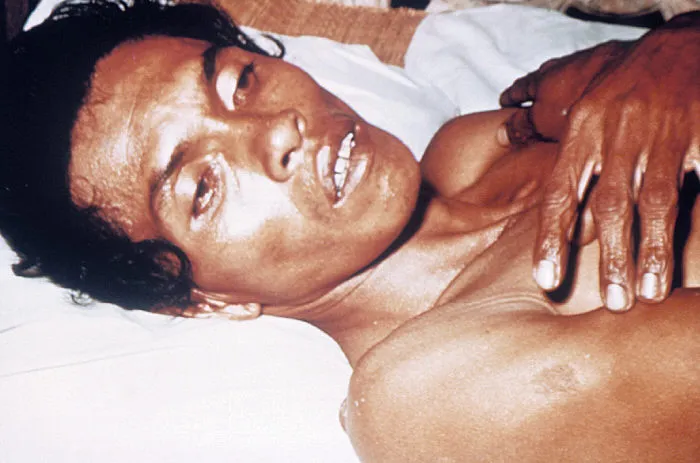
The Dahamar Emergency Room in West Kordofan State, Sudan, recently reported that the local communities of Wad Banda and Nahud have recorded more than 800 cholera cases, including 30 deaths. This cholera outbreak has drawn the attention of local health authorities and international organizations.
Cholera is a small intestinal infection caused by Vibrio cholerae, with symptom severity ranging from mild to severe. Typical symptoms include profuse watery diarrhea lasting for several days, potentially accompanied by vomiting and muscle cramps. Severe diarrhea can lead to acute dehydration and electrolyte imbalance within a short period, resulting in sunken eyes, cold or cyanotic skin, reduced skin turgor, and wrinkled hands and feet, and can even cause death in severe cases. Symptoms usually appear between two hours and five days after exposure to the bacteria.
Cholera is primarily transmitted through unsafe water sources and food contaminated with human feces, especially undercooked shellfish. Humans are the only known host of this bacterium. Poor sanitation, inadequate access to safe drinking water, and poverty are all factors that increase the risk of infection. Cholera can be diagnosed through stool tests or rapid diagnostic tests, although rapid tests have lower accuracy.
Methods for preventing cholera include improving sanitation and increasing the supply of safe drinking water. This cholera outbreak in West Kordofan State, Sudan, highlights the inadequacy of local health infrastructure and the importance of public health education. International organizations and the local government are working together to provide medical assistance and improve local sanitary conditions to control the spread of the outbreak.
The cholera outbreak in West Kordofan State, Sudan, has also attracted the attention of neighboring countries and the international community. This outbreak serves as a reminder of the fragility of global public health security and the importance of international cooperation. Especially in impoverished areas with inadequate health infrastructure, the outbreak of infectious diseases such as cholera remains a constant hazard.
For Taiwan, while this cholera outbreak in West Kordofan State, Sudan, has no direct connection to the island, it serves as a reminder of the importance of global public health security and the necessity of international cooperation. Particularly in today's globalized world, the transmission of diseases can transcend national borders and regions. The international community needs to strengthen cooperation, share resources and experience, and address public health security challenges. At the same time, Taiwan can learn from this outbreak to further strengthen its own public health infrastructure and emergency response capabilities, making greater efforts to safeguard the health and safety of its citizens.
Produced by our editorial team, with AI assistance in editing.