
5.9‑magnitude quake hits Ibaraki, 45 injured, tsunami alert lifted
A magnitude 5.9 tremor struck the southern part of Ibaraki Prefecture on the Japanese mainland at 02:17 a.m. local time on Friday, prompting the Japan Mete
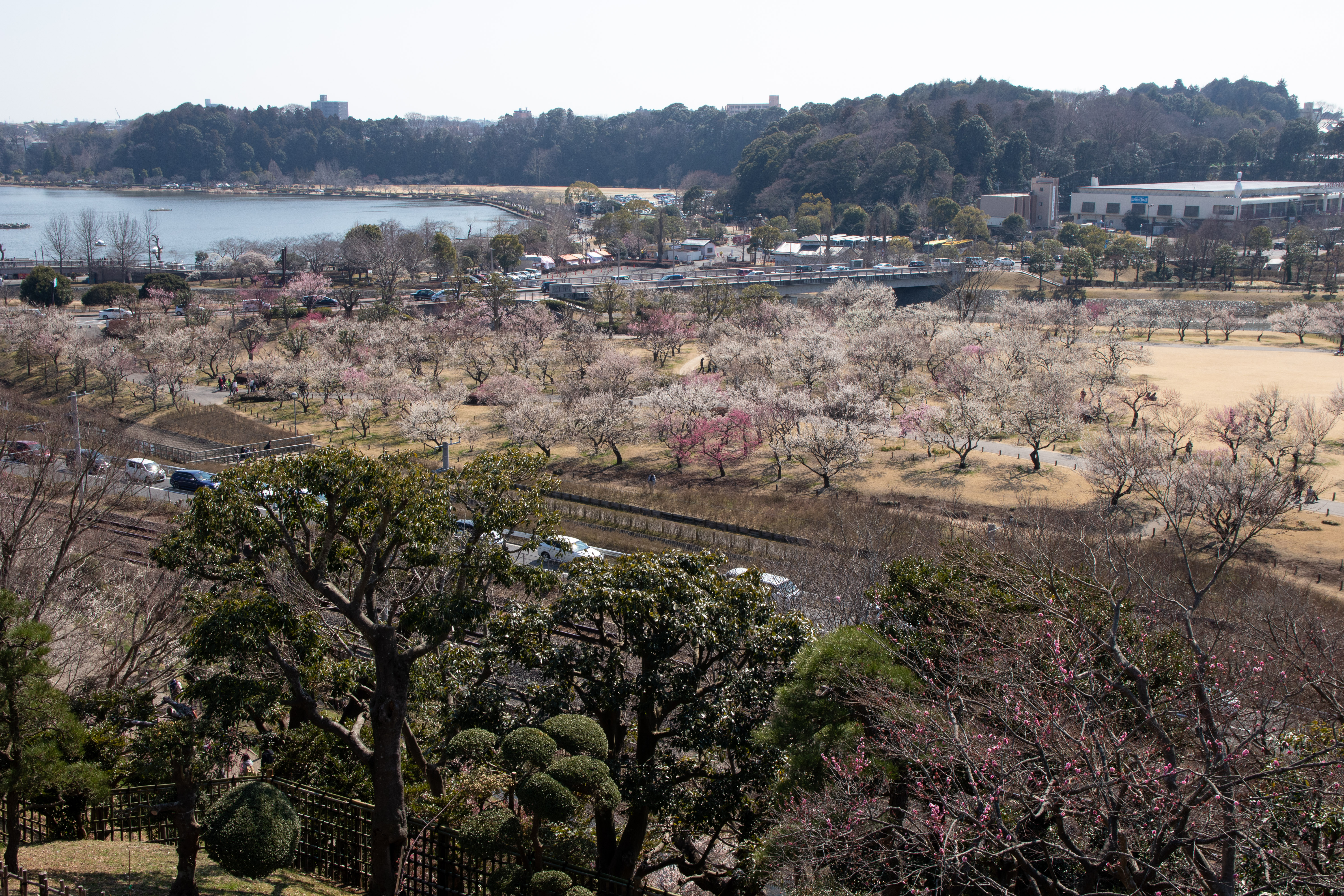
A magnitude 5.9 tremor struck the southern part of Ibaraki Prefecture on the Japanese mainland at 02:17 a.m. local time on Friday, prompting the Japan Meteorological Agency to issue an immediate tsunami advisory that was later lifted. Emergency crews responded to reports of damage across several municipalities, and the prefectural government confirmed that 45 people had been injured, most of them with minor to moderate injuries. No fatalities were reported, and power outages were limited to a handful of neighborhoods, which were restored within a few hours. The quake’s epicenter lay offshore, near the coastal city of Hitachinaka, an area known for its industrial parks and port facilities.
Ibaraki, a prefecture of roughly 2.8 million residents, occupies a strategic position on Japan’s eastern Pacific coast, directly northeast of Tokyo and forming part of the Greater Tokyo Area. Its geography includes a stretch of low‑lying coastline, the expansive Lake Kasumigaura, and the Tone River, which together support agriculture, fisheries and a dense network of transport links. The region’s economic profile is anchored by heavy industry and high‑tech manufacturing; cities such as Hitachi and Hitachinaka host factories for electronics, machinery and components that feed into national and global supply chains. The prefecture’s proximity to the capital makes it a vital corridor for freight movement, while the presence of research hubs in Tsukuba contributes to Japan’s innovation ecosystem.
The quake’s impact on infrastructure has been assessed as moderate. Local authorities reported several cracked walls in residential buildings, minor structural damage to warehouses, and a temporary suspension of operations at the Hitachinaka Port. The port, which handles bulk commodities and serves as a logistics node for manufacturers exporting automotive parts and electronic equipment, was briefly shut for safety inspections. Meanwhile, the Japan Self‑Defense Forces, together with the Fire and Disaster Management Agency, dispatched rescue teams and medical units to the hardest‑hit districts, emphasizing rapid response protocols that have been refined after the 2011 Tōhoku disaster. Residents were urged to stay alert for aftershocks, which are common after events of this magnitude, and to follow guidance from local disaster‑prevention offices.
Ibaraki’s disaster preparedness framework reflects lessons learned from past seismic events. The prefecture maintains an extensive network of seismic monitoring stations and conducts regular evacuation drills for both civilian populations and industrial workers. In recent years, the local government has invested in retrofitting older structures and reinforcing critical facilities such as power substations and water treatment plants. Nonetheless, the current tremor exposed vulnerabilities in older residential blocks, prompting officials to announce a supplemental budget for accelerated reinforcement works in the most affected neighborhoods.
The incident underscores the broader regional implications of seismic activity in a densely populated and industrially integrated part of Japan. While the immediate human toll appears limited, any prolonged disruption to Ibaraki’s manufacturing output could reverberate through supply chains that extend to Taiwan’s semiconductor sector, which relies on Japanese precision components and raw materials. Moreover, the quake serves as a reminder to multinational firms of the importance of robust contingency planning in earthquake‑prone zones, particularly for logistics hubs that support the electronics and automotive industries spanning East Asia. For Taiwan, which maintains close trade ties with Japan and depends on a steady flow of intermediate goods, monitoring the recovery of Ibaraki’s ports and factories will be essential to mitigate potential downstream effects on production schedules and export commitments.
Produced by our editorial team, with AI assistance in editing.