
48 Killed in Taraba, Nigeria Village Attack; Motive Unknown
The death toll from the brutal attack that took place in Taraba State’s rural communities four days ago has risen to 48, according to local authorities. Th
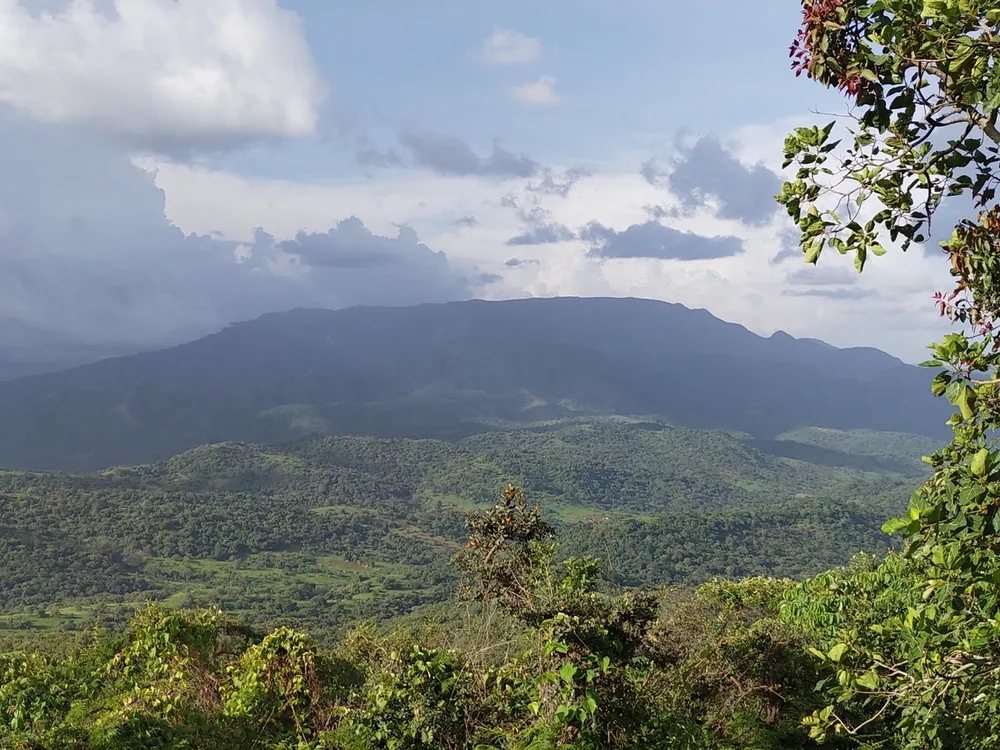
The death toll from the brutal attack that took place in Taraba State’s rural communities four days ago has risen to 48, according to local authorities. The incident, which involved a group of unidentified gunmen, occurred in the late afternoon of a Monday and left dozens of villagers dead and many more wounded. The state’s governor and the federal police chief have confirmed the figures, but no definitive explanation for the attackers’ motives has yet emerged.
Taraba State lies in Nigeria’s north‑eastern region and is traversed by the Taraba River, which gives the state its name. With a population of roughly 5.5 million people, it is one of the country’s most ethnically diverse areas, home to about eighty distinct ethnic groups, each with its own language and cultural traditions. The capital, Jalingo, is a modest commercial hub, while the surrounding rural districts are largely agrarian and often vulnerable to inter‑communal tensions.
The massacre unfolded in a cluster of villages located in the state’s eastern part, an area that has seen sporadic violence in recent years. Witnesses report that the attackers entered the villages at dusk, firing indiscriminately at residents and then setting ablaze several homes before retreating. The operation was swift, and the survivors fled into the nearby forest. The state’s security apparatus, which has been stretched thin by ongoing insurgencies in the north‑west and north‑central regions, struggled to mount a timely response.
The Nigerian government has condemned the attack, pledging a comprehensive investigation and a crackdown on the perpetrators. Prime Minister‑designated officials have called for heightened security measures across the region, citing the need to protect civilians in “high‑risk” zones. Local community leaders, however, remain skeptical of the authorities’ capacity to deliver justice, citing past failures to address inter‑ethnic disputes. Some analysts point to the possibility that the shooting may be linked to longstanding ethnic rivalries or to a broader strategy by militant groups to destabilize the area and undermine the federal government’s authority.
Beyond the immediate human cost, the incident raises concerns about the broader security climate in Nigeria’s east. The country’s economy is heavily reliant on the stability of its agricultural and mining sectors, both of which are concentrated in the northeastern states. Persistent insecurity can disrupt supply chains, deter foreign investment, and strain the nation’s already fragile public finances. Moreover, the east sits near key regional trade corridors that connect Nigeria with neighboring Cameroon and Chad, so escalated violence could ripple across West and Central African markets, affecting commodity flows and energy transit routes.
For Taiwan and the wider region, the relevance of this tragedy lies in the interconnectedness of global supply chains and security dynamics. While there is no direct economic link between Taiwan and Taraba State, the incident underscores the fragility of regional stability that can influence international commodity markets, including the supply of minerals used in semiconductor manufacturing. Furthermore, heightened insecurity in parts of Africa can prompt shifts in global diplomatic priorities and resource allocations, potentially affecting how countries like Taiwan engage with African nations on issues ranging from trade to technology cooperation. Thus, the escalating violence in Taraba serves as a reminder that localized conflicts can have broader ramifications for international trade, security, and diplomatic relations.
Produced by our editorial team, with AI assistance in editing.
