
Amrapali Museum
India · Asia
About
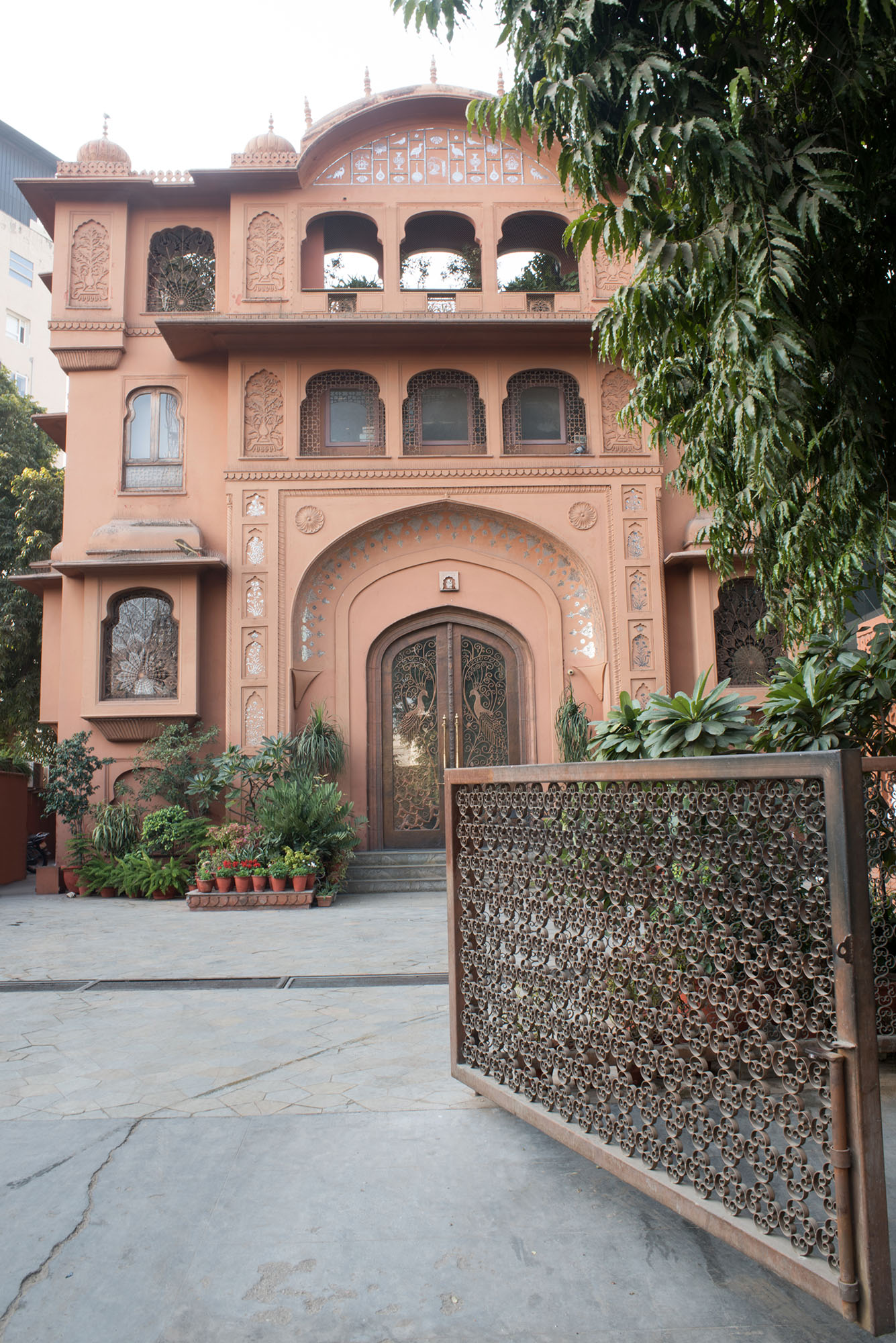
Amrapali Museum is a museum located in Jaipur, Rajasthan, which is dedicated to Indian jewellery and decorative objects. It was inaugurated on 20 January 2018. The museum is an enterprise of the founders of Amrapali Jewels, Rajiv Arora and Rajesh Ajmera. Located in Jaipur at Ashok Marg, C-scheme, the museum premises are spread over 6,500 sq ft. It is also the office headquarters of Amrapali Jewels. The museum's collection has been arranged from the ground floor to the basement. It has a collection of 4,000 objects. Over 800 objects are displayed over two floors while the remaining objects are kept in visual storage. The museum has fine jewellery, hand-crafted antiques, and exquisite curios to showcase the craftsmanship and rich tradition of Indian jewellery. Several different types of Indian jewellery at the museum constitute a visual representation of the history of art and the process of jewellery making. The collection ranges from tribal jewellery, in wood and metal, to silver and gold pieces. It is an extensive collection that shows how the traditional craftsmanship has impacted modern and contemporary design sensibilities.
Amrapali Museum has resulted from the labour of its founders Rajiv Arora and Rajesh Ajmera. Rare jewellery pieces and other collectibles have been curated by the duo over a long span of over four decades. Arora and Ajmera were college friends with a common interest in historical, artistic handcrafted objects. They both lived in Jaipur, a city that boasted of a history of engagement with industrial arts in the 19th and 20th centuries. The great Jaipur Exhibition of 1883 had led to the establishment of the Albert Hall Museum in the city. Jaipur's connection with heritage and history became a natural inspiration for them. They travelled far and wide in India to collect pieces of art and heritage. During these travels, they saw that once common designs of jewellery were vanishing fast due to changing tastes. The metals were melted and reused and the vintage artistic pieces were lost forever. They started collecting the pieces to preserve the traditional aesthetics and founded Amrapali Jewels in 1978. While they were collecting pieces out of general love of the art, for design inspiration and for business requirements, the idea of starting a museum had not crossed their minds. In their long journey, they had extensive interactions with craftsmen, silversmiths, art enthusiasts, scholars, and experts. They began to recognise the intrinsic value of art and felt a need to share the outcome of their pursuit with connoisseurs and lay public as a service to disseminate artistic sensibilities. Thus, Amrapali Museum opened in January 2018 after documentation and research of the collections. As a unique cultural heritage, it has garnered global attention for its collection and its many notable objects.
The display and exhibit has been designed to meet international standards. The use of concealed lighting illuminates each artefact in every niche. Instead of velvet fabric, grey fabric is used to neutralise the reflection of light because velvet is apprehended to gather dust. Lights are sparingly used in the museum and only when visitors are there to minimise damage through light. The space has been used very judiciously as many artefacts are placed in closed drawers. These drawers are customised to light up when they open noiselessly and illuminate the objects inside them. Care is taken to design the position of objects in such a way that the hooks on which they are suspended remain concealed. Sometimes a magnifying glass is placed behind an object to showcase the craftsmanship of both anterior and posterior sides for the visitors without disturbing the object. Audio guides and personal museum guides are also available.
Adapted from Wikipedia (CC BY-SA). Photography via Wikimedia Commons.